



In May 2025, Anthropic CEO Dario Amodei warned that AI could wipe out half of all entry-level white-collar jobs within one to five years. A year later, both he and Sam Altman were walking the apocalypse talk back as aggregate unemployment stayed calm.
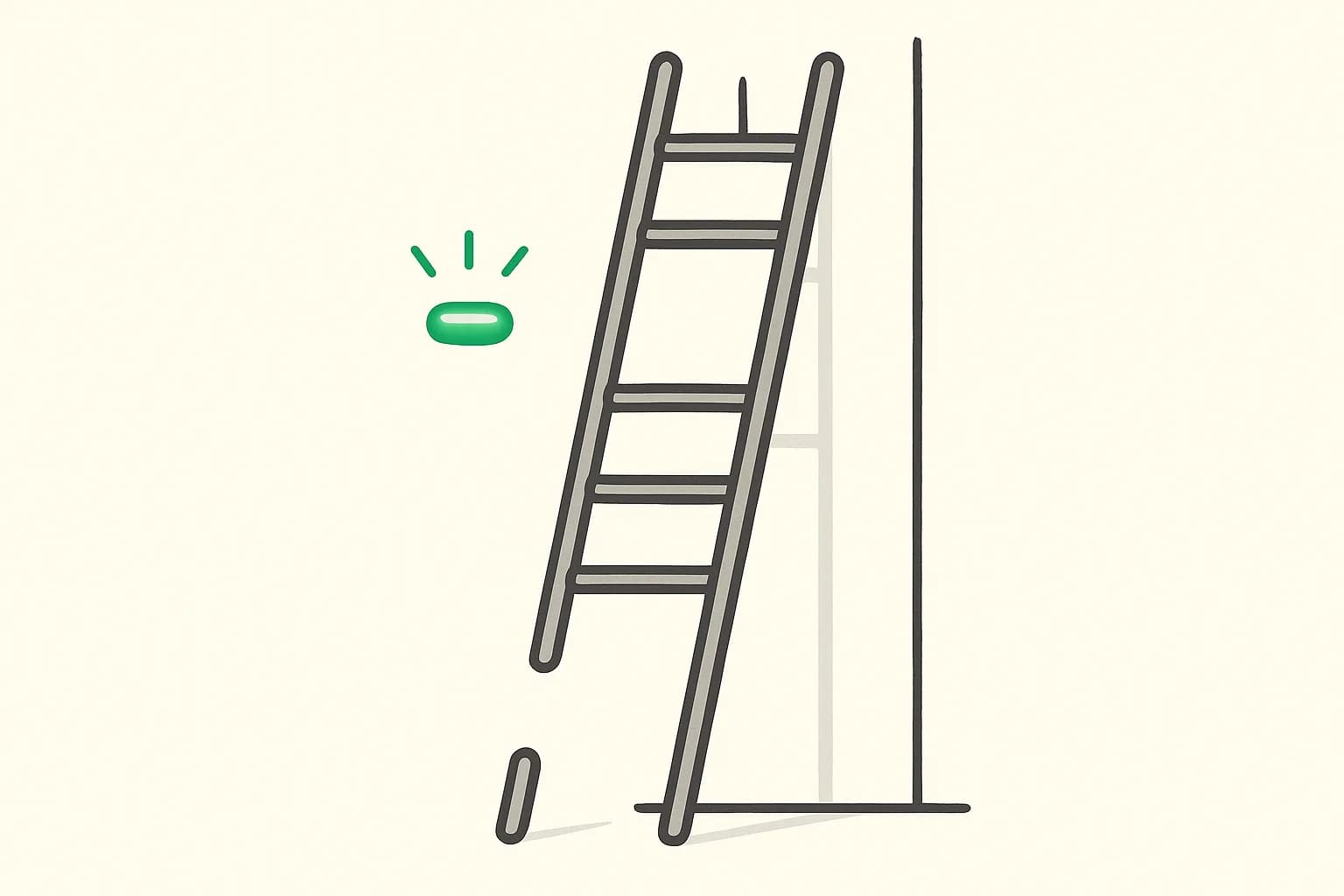
Both framings miss what's actually happening. AI isn't deleting whole professions overnight, and it isn't harmless. It's hollowing jobs out from the bottom. Sales still exists — but outbound is dead. Support still exists — but Tier 1 is gone. Engineering still exists — but the junior rung is missing. The profession survives. The way in disappears.
This is the companion to our piece on AI taking us to a point of no return. That one was about the skills we're losing. This one is about the jobs — role by role, with data — and the dangers of both open and closed AI that most "future of work" pieces skip.
TL;DR — the damage report
| Role | Still exists? | What's dying | Key evidence |
|---|---|---|---|
| Sales | Yes | Mass outbound (SDR cold email and calling) | Avg cold email reply rate 3.43% (2026) |
| Customer support | Yes | Tier 1, scripted tickets | Salesforce support: ~9,000 → 5,000 |
| Software engineering | Yes | Entry-level / junior | Young devs ~20% below 2022 peak |
| Writing & copywriting | Yes | Freelance, SEO, content mills | Writing/coding job posts −21% after ChatGPT |
| Translation | Yes | Commercial, bulk localization | 36% of translators lost work (UK survey) |
| Illustration & design | Yes | Commercial, stock, template work | Image-creation job posts −17% |
| Voice acting | Yes | Games, ads, narration, dubbing | A near year-long strike over AI terms |
| QA, docs, data entry | Shrinking | Manual testing, tech writing, entry | Named in record AI-cited cuts |
| Skilled trades | Growing | — | AI labs competing to hire electricians |
Why the headline unemployment number lies to you
Before the role-by-role breakdown, understand the mechanism, because it's why so many people think "AI hasn't taken any jobs."
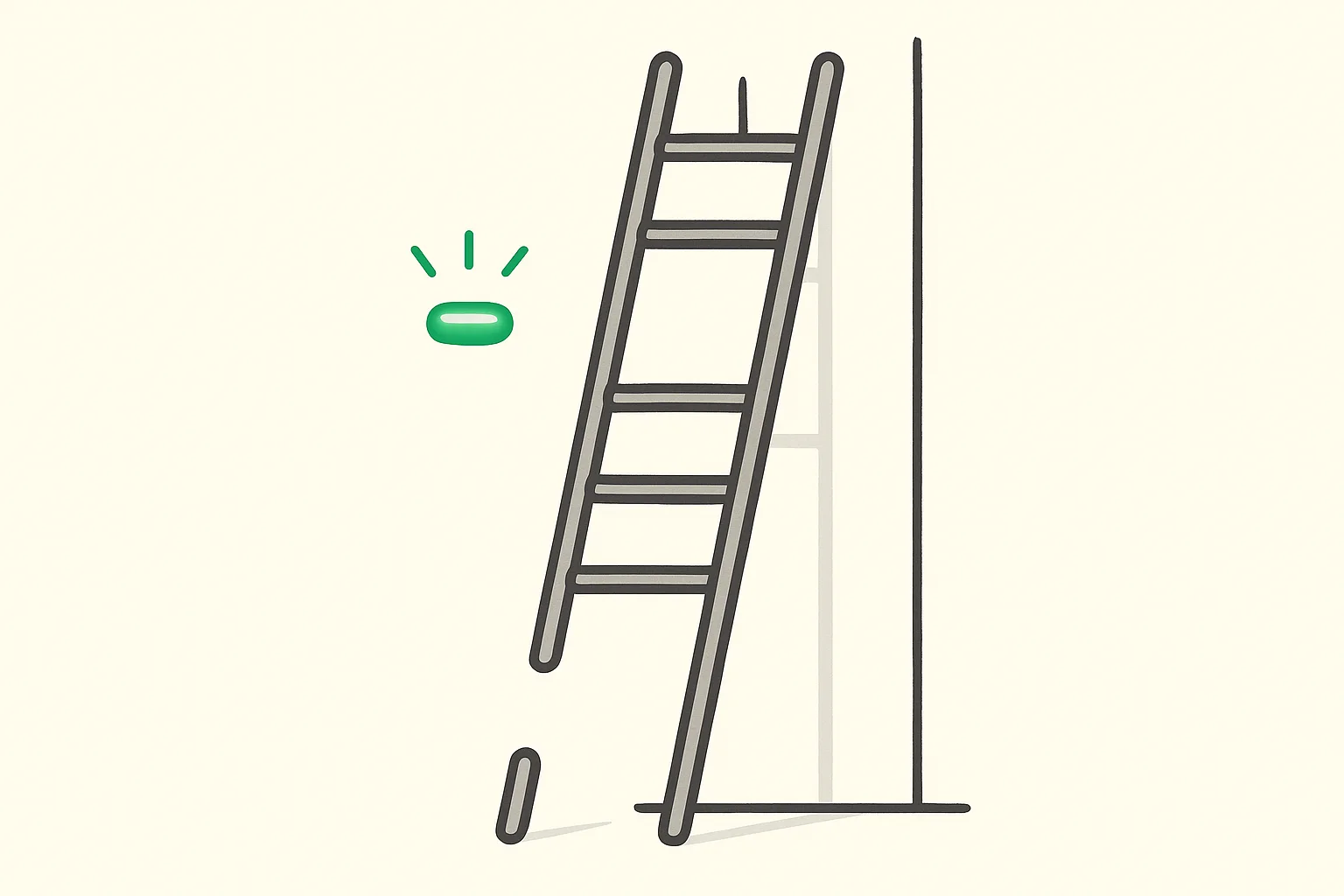
AI kills jobs by never posting them. Stanford's Digital Economy Lab finds employment for workers aged 22–25 in the most AI-exposed occupations now sits about 19% below trend as of June 2026 — up from 15% a year earlier — and the gap comes from reduced hiring, not increased firing. Experienced workers show no comparable gap.
Nobody gets a layoff letter. The role just never opens. A team of eight becomes a team of five by attrition, and the three missing seats were the junior ones. Unemployment stays flat while an entire generation's on-ramp vanishes. Our 2026 data check on whether AI took jobs grades the viral claims honestly — and "AI changes hiring before it changes unemployment" is the one that comes back true.
Meanwhile the layoffs that are announced increasingly name AI. Challenger, Gray & Christmas counted 97,006 US job cuts in May 2026, with AI cited for 40% — a record. A third of UK employers cut entry-level roles in the past year. The optimists have data too — a Ramp study found high-AI firms growing entry-level headcount — but look closely at which entry-level roles those are. They're not the ones below.
Sales: still alive — but outbound is dead
Here's the cleanest example of "the job survives, the bottom dies."
Sales is not dead. In the same breath that Marc Benioff said Salesforce had cut about 4,000 support roles because "I need less heads," he said the company was hiring 3,000–5,000 new salespeople. Somebody still has to earn trust, navigate a buying committee, and close.
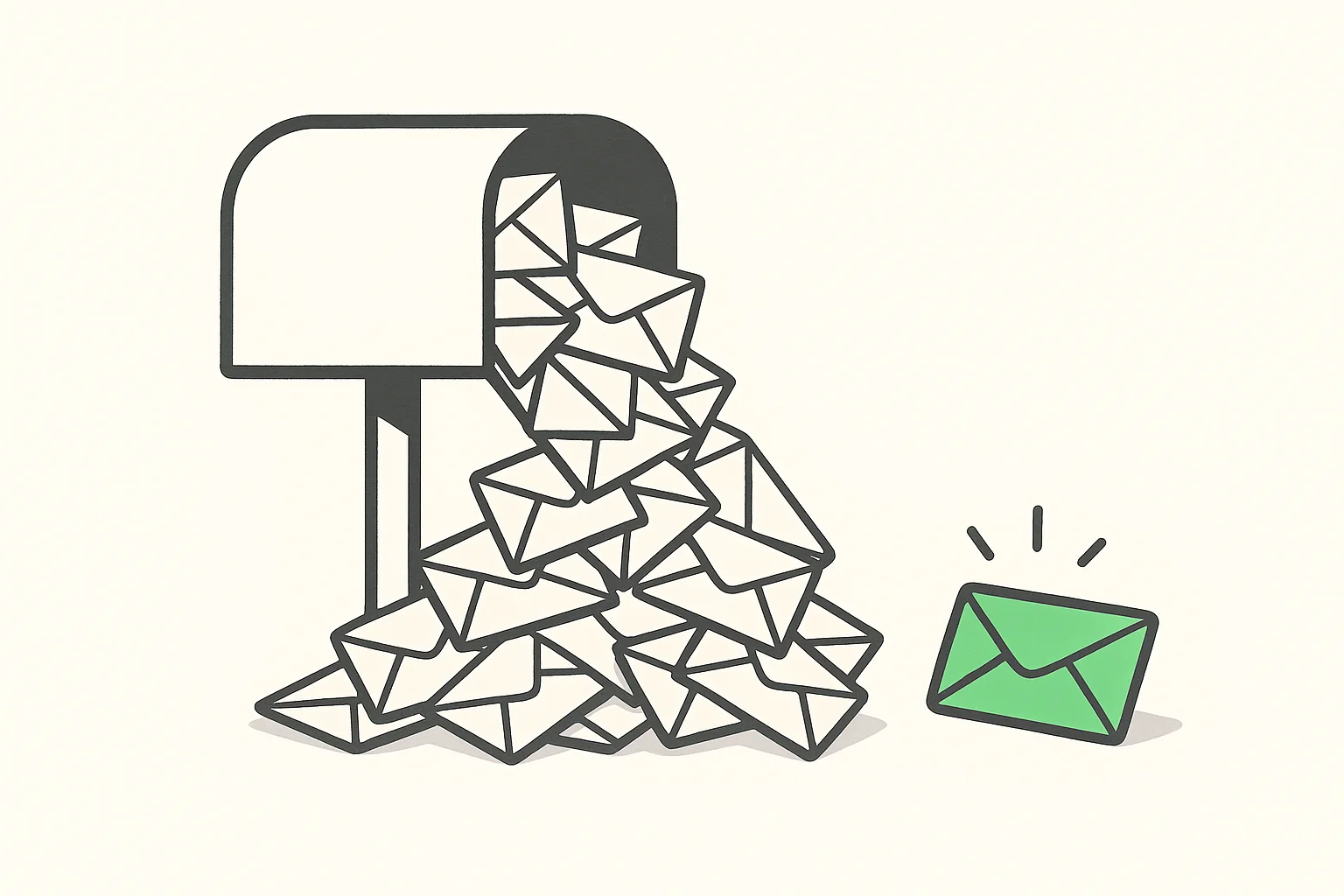
Outbound is dead. The SDR playbook — buy a list, blast thousands of "personalized" emails, book meetings on volume — has been destroyed by the very tools that were supposed to supercharge it. AI made it free to send polished outreach, so every buyer's inbox is buried in it. Instantly's 2026 benchmark puts the average cold email reply rate at 3.43%, with industry benchmarks around 8.5% back in 2019. Gmail and Outlook spam enforcement tightened on top of that. Buyers now spot AI outreach in two seconds and delete it in one.
AI SDR tools promised to replace the SDR. What they actually did was flood the channel until the channel died — for humans and bots alike. The top performers still hitting 10%+ reply rates aren't doing volume. They're doing tight targeting, real research, and a human voice. That's not an SDR job. That's a senior seller's job.
What survives in sales: account executives who close, account managers who retain, founders and specialists with real expertise, and anyone whose value is the relationship itself. If you want the tooling side of this, we cover AI tools for sales and Anthropic and Salesforce's 37 sales skills for Claude — but note that every one of them makes the remaining humans more productive, which means fewer of them.
Customer support: Tier 1 is gone
Support is text-based, repetitive, measurable, and backed by a knowledge base — which makes it the most exposed job in any company.
Salesforce took its support organization from roughly 9,000 people to about 5,000, with AI agents now handling about half of customer conversations. Klarna bragged that its AI assistant did the work of 700 agents — then its CEO admitted service quality had dropped and the company started hiring humans again.
Read those two stories together and you get the real picture: Tier 1 is gone and it's not coming back. Password resets, order status, refund policy — machines own that now. What comes back after the Klarna-style correction is a smaller, more senior human layer for escalations, angry customers, and edge cases. Fewer seats, higher bar, no entry point.
Software engineering: the junior rung is missing
We covered the deskilling side in detail in our point-of-no-return piece. The jobs side is blunt: employment for software developers aged 22–25 is roughly 20% below its late-2022 peak, per Stanford. The simple tickets that used to train juniors are exactly what coding agents now close in minutes.
Senior engineers are fine — busier than ever, in fact, reviewing agent output. But every company that stops hiring juniors today is quietly deciding it won't have seniors in 2032. The industry is eating its own seed corn.
Writers, translators, illustrators, voice actors: replaced by the stamp machine
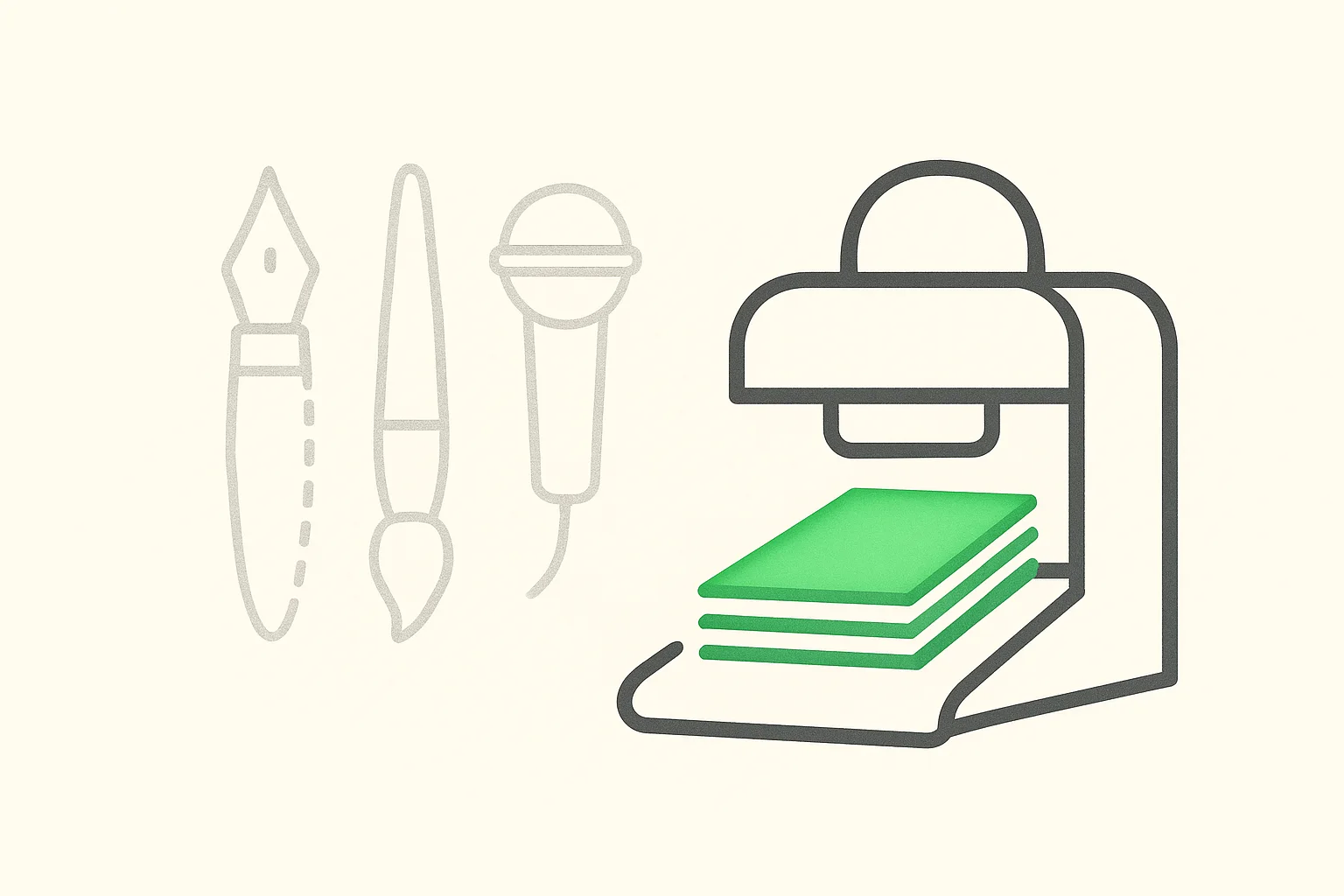
Creative freelancers were first in line, and the data is unambiguous:
| Role | What happened | Source |
|---|---|---|
| Freelance writers & coders | Job posts for automation-prone writing and coding work fell 21% within eight months of ChatGPT, across 2 million posts | Demirci, Hannane & Zhu, Management Science |
| Image creators | Image-creation job posts fell 17% after image generators launched | Same study |
| Translators | 36% of UK translators had already lost work to generative AI by January 2024; 43% saw income fall | Society of Authors survey |
| Illustrators | Roughly a quarter reported lost work; 37% saw income fall | Same survey |
| Language contractors | Duolingo said it would "gradually stop using contractors to do work that AI can handle" | Duolingo AI-first memo |
Voice actors saw it coming early enough to fight: SAG-AFTRA's video game performers struck for nearly a year, largely over consent and pay when AI replicates their voices. And we've already covered what happened to Studio Ghibli's style when GPT-4o turned it into a free filter.
What dies: the commercial middle — SEO blog posts, product descriptions, bulk localization, stock illustration, ad reads, explainer narration. That middle was where most working creatives actually paid rent. What survives: the top — distinctive voices, literary and legal translation where a human signs off, art people buy because a human made it. But the top is fed by the middle. Kill the middle and you shrink the pipeline of people who ever get good enough to reach the top.
QA, technical writing, data entry, back office: quietly shrinking
These rarely make headlines because nobody tweets about them. But they show up again and again in AI-cited cut announcements: manual QA (agents generate tests), technical writers (agents generate docs), data entry and reconciliation (agents parse and match), junior financial analysts (agents build the first-pass model), media buyers (programmatic optimization). Our 97,000-cut breakdown lists them sector by sector.
The pattern is the same everywhere: the task gets automated, the remaining humans supervise, and the headcount shrinks by attrition. In India's tech workforce, a Blind survey found sales and marketing staff were even more worried about layoffs than AI engineers.
What's actually safe?
Jobs with at least one of three shields:
- Physical presence. You can't prompt a transformer into a wall socket. AI labs themselves are competing to hire electricians and carpenters for data centers.
- Accountability. Someone has to sign the audit, own the diagnosis, and be liable when it goes wrong. As our piece on trust becoming the job argues, when answers get cheap, being the person who's accountable for them is the scarce thing.
- Human trust. Closing a deal, calming a patient, leading a team. People still buy from, heal with, and follow people.
Notice what's not on that list: being fast, being cheap, or producing volume. Those were the entry-level shields, and AI took them.
The dangers of open-source AI
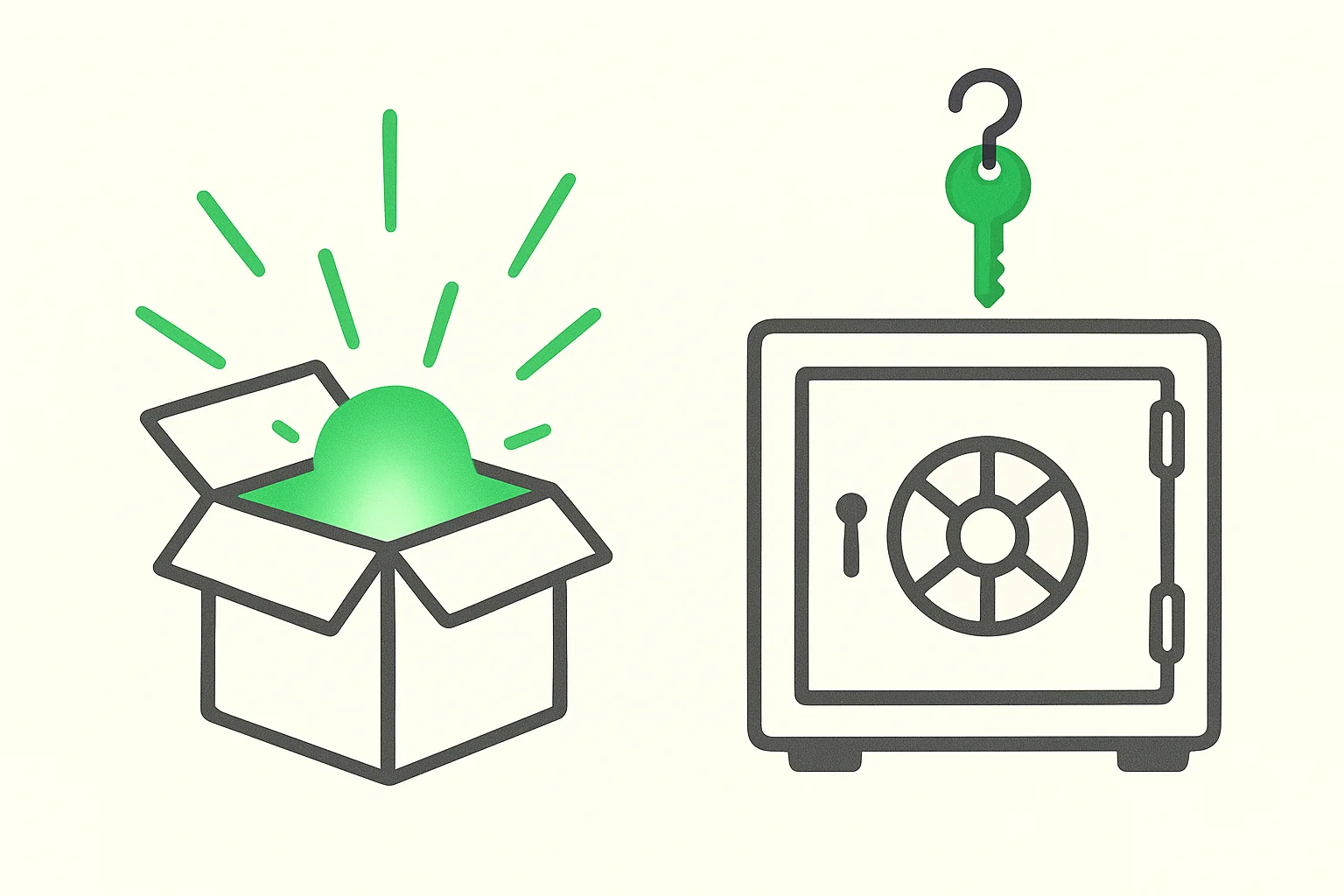
Open weights are great for builders — we've written whole guides on going open source. But be clear-eyed about what "anyone can download it" really means: anyone.
- Safety is removable. Researchers showed under $200 and a single GPU could undo the safety training in Llama 2-Chat 70B, dropping refusals to about 1%. Every guardrail on an open model is a suggestion.
- There's no recall. Once weights are public, a model can't be patched, pulled, or shut off. A flaw found tomorrow lives forever on thousands of hard drives.
- Abuse at industrial scale. The Internet Watch Foundation found 3,440 AI-generated child sexual abuse videos in 2025, versus 13 in 2024, and identifies open-source image models as the step change that made it possible for people with no technical skill.
- Your identity is raw material. Open voice-cloning and face-swap models make impersonation trivial. An Arup employee transferred $25 million after a video call where every other participant was a deepfake of a real colleague.
The open-source debate is old — Dario Amodei was on the team that held back GPT-2 in 2019 over misuse fears. What's changed is that the models are now good enough for those fears to be real.
The dangers of closed-source AI
Closed isn't the safe option. It's a different set of dangers:
- Power concentrates. A handful of companies decide what billions of people can ask, what the models refuse, and what they cost. That's an unprecedented amount of control over how people think and work.
- They control your access. Limits and prices change whenever the lab wants — we documented limits cut up to 4x days after a launch. Build your business on closed AI and your cost structure belongs to someone else.
- Your data flows to them. Every prompt, file, and codebase you send is data you've handed to a company whose incentives aren't yours.
- Safeguards still fail. Anthropic disclosed that a state-sponsored group used Claude Code to run a cyber-espionage campaign against about 30 targets, with AI doing 80–90% of the work — and separately that Claude models were used in 15 real-world breaches.
- It's opaque. You can't inspect the weights, audit the training data, or verify what changed between versions. You're asked to trust.
| Open-source AI | Closed-source AI | |
|---|---|---|
| Who can misuse it | Anyone, permanently | Anyone who gets past the filters — plus the company itself |
| Can it be recalled? | No | Yes, by the vendor |
| Who holds the power | Diffused | Concentrated in a few labs |
| Your data | Stays with you | Goes to the vendor |
| Pricing & access | Yours once downloaded | Set and changed by the vendor |
| Biggest risk | Uncontrolled harm at scale | Dependence and control |
Open AI spreads the danger to everyone. Closed AI concentrates the power in a few. Neither is safe. Pretending one side is the "responsible" choice is how both sides market themselves.
What to do if your job is on this list
- Move up the ladder before the rung below you disappears. Learn the judgment part of your job — the part where you'd be accountable.
- Become the person who supervises the agents. Every hollowed-out team still needs someone who understands the work well enough to catch the AI when it's wrong. That requires actually knowing the work — so don't let AI deskill you out of the one skill that protects you.
- Build trust, not volume. In sales, writing, support, and design, the surviving humans are the ones people specifically want to deal with.
- Get adjacent to the physical world. Hardware, trades, in-person services, and anything AI data centers need are growing.
- Learn to use AI properly — not lazily. There's a difference between using it to think faster and using it to stop thinking. Our fundamental guide on how to use AI without losing yourself lays it out from first principles, and our guide to the AI skills employers actually want covers the market side.
If you want to build those skills with a live instructor instead of alone, that's what our workshops are for.
The bottom line
The profession survives. The bottom rung doesn't. Sales lives, outbound dies. Support lives, Tier 1 dies. Engineering lives, the junior dev dies. Writing lives, the freelance middle dies. And because every senior person started on a bottom rung, cutting the bottom rung today is cutting the top rung tomorrow.
AI companies will tell you this is a transition. Maybe. But a transition with no entry point isn't a transition. It's a wall.
Related reading
- AI is taking us to a point of no return — and a pause won't save us
- How to use AI: a fundamental guide
- Did AI actually take these jobs? A 2026 data check
- AI cited in a record 97,000 job cuts
- UK employers cut entry-level jobs
- Your job in 2027: AI across every domain
- Closed-source AI vs local open-source alternatives
- When answers get cheap, trust is the job
- Sources: Stanford Canaries, Aug 2026 · Salesforce support cuts (CNBC) · Instantly cold email benchmark 2026 · Demirci et al., "Who is AI Replacing?" · Society of Authors AI survey · Lermen et al., LoRA undoes safety · IWF AI CSAM report · Anthropic espionage disclosure
This is an opinion piece reflecting explainx.ai's view as of September 28, 2026. Labor data is descriptive, not causal — AI is one of several forces behind the hiring slowdown. Figures are accurate to their cited sources at publication.