



Gemini Tasks is free in six countries as of November 17, 2026. Google’s announcement turns Gemini from a chat box into a personal agent that calls dealerships, audits utility bills, shops with AP2 payments, and syncs family calendars — powered by Gemini 4 Hydrogen and secured in per-user sandbox VMs.
For builders, the story is not a benchmark leaderboard. It is Google productizing agent payments, outbound telephony, and email-to-task ingress for hundreds of millions of accounts the same week OpenAI shipped GPT-6.2 and Proton shipped Lumo Desktop.
What changed on November 17, 2026
Josh Woodward, VP of Labs for the Gemini app and AI Studio, framed Tasks for anyone drowning in school drop-offs, meetings, and inbox debt. Google’s claims:
- Free Tasks rollout in the U.S., Japan, Korea, Canada, Australia, and India.
- Gemini 4 Hydrogen as the default model for the free tier.
- U.S.-first advanced features including Agent Payments Protocol (AP2) checkout and deeper Google Pay integration.
- Connected Apps Platform expansion beyond 60 apps, with a developer application path.
This sits on top of Gemini Personal Intelligence memory that already knows vehicles, addresses, and calendar context.
What is Gemini Tasks?
Gemini Tasks is Task mode in the Gemini app: you assign outcomes (“book Friday service”, “explain this $389 electric bill”, “add groceries”) and Gemini plans tool use across Gmail, Calendar, Maps, Shopping Graph, Password Manager, and partner apps such as Instacart.
Entry points Google lists:
- Toggle Chat → Task on the Gemini home screen.
- Text Gemini on Android or iOS after verifying a U.S. number in Settings → Channels.
- Forward email to gemini@google.com for batch calendar extraction.
What Gemini Tasks does (real examples from Google)
Dealership scheduling. Woodward asked Gemini to call two Honda dealers for an early-Friday service slot. Gemini used Personal Intelligence (2019 Odyssey, home location), parallel phone calls, hold-music tolerance, and Calendar writes — disclosing AI identity to businesses.
Utility bill forensics. With portal access via Google Password Manager, Gemini compared PDFs and found a heat pump running during peak pricing — a pattern humans might miss skimming email attachments.
Shopping with AP2. Gemini compared USB-C chargers, asked clarifying questions, applied a discount code, and checked out through Google Pay using AP2 digital tokens with spending caps and Wallet receipts. Mastercard, Visa, and Amex (coming soon) participate; users still earn card rewards where supported.
Instacart via RCS. A texted grocery list plus a photo of an empty Cheerios box became an Instacart handoff with doorstep delivery.
Family logistics. Forwarded school emails became calendar events with spouse invites and carpool conflict detection proposing SMS trades with other parents.
Each example is a multi-tool trajectory, the same class of workloads GDPval-style agents try to score — but here aimed at consumers, not analysts.
Agent Compute Engine: how Google sandboxes tasks
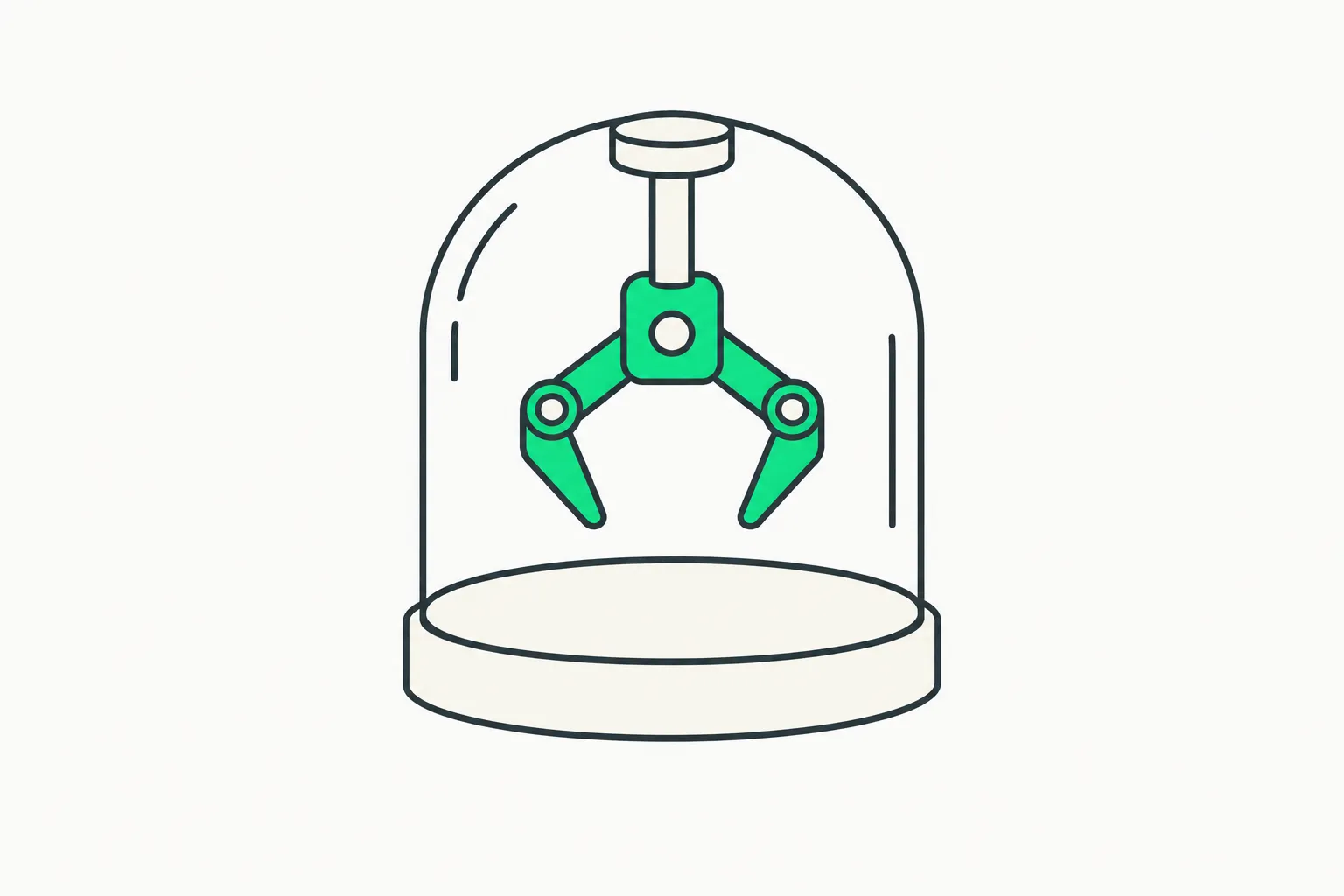 Dedicated sandbox VM isolating a single Gemini task workload from other users
Google ties consumer trust to Agent Compute Engine on Google Cloud:
- Dedicated VM per user, not shared across accounts.
- Hardware isolation and red-team tested sandboxes.
- Prompt-injection filters on fetched pages plus Safe Browsing link limits.
- Human checkpoints before purchases; Always allow on low-risk repeats.
Google published a technical paper on defense-in-depth and invites researchers through the AI Vulnerability Reward Program — aligned with AWS’s responsible agent roadmap and MCP misbinding lessons.
Honest limits Google admits
Sites built for humans may still require you to click the final button. Google partners with major websites on bot and assistant coexistence — a cultural shift from blocking all automation.
When tasks fail, Google asks for thumbs-down feedback. That is your signal the category is early, not finished.
Email forwarding attack surface
Forwarding school newsletters to gemini@google.com is convenient and scary: untrusted HTML in those messages becomes agent input. Google lists prompt-injection filters, but enterprise security teams should train parents and employees to forward only known senders until you see independent red-team results. The same lesson applied when Epoch eval agents hit live websites — inbox content is untrusted data.
Spending caps and household governance
AP2 hard caps are the consumer-facing fix for runaway checkout agents. Document a household cap before kids enable Task mode on a shared profile. Unlike Nasiko token gateways for developers, Google’s UI caps target families, not FinOps teams — but the pattern is transferable to internal agent wallets.
AP2, UCP, and commerce rails
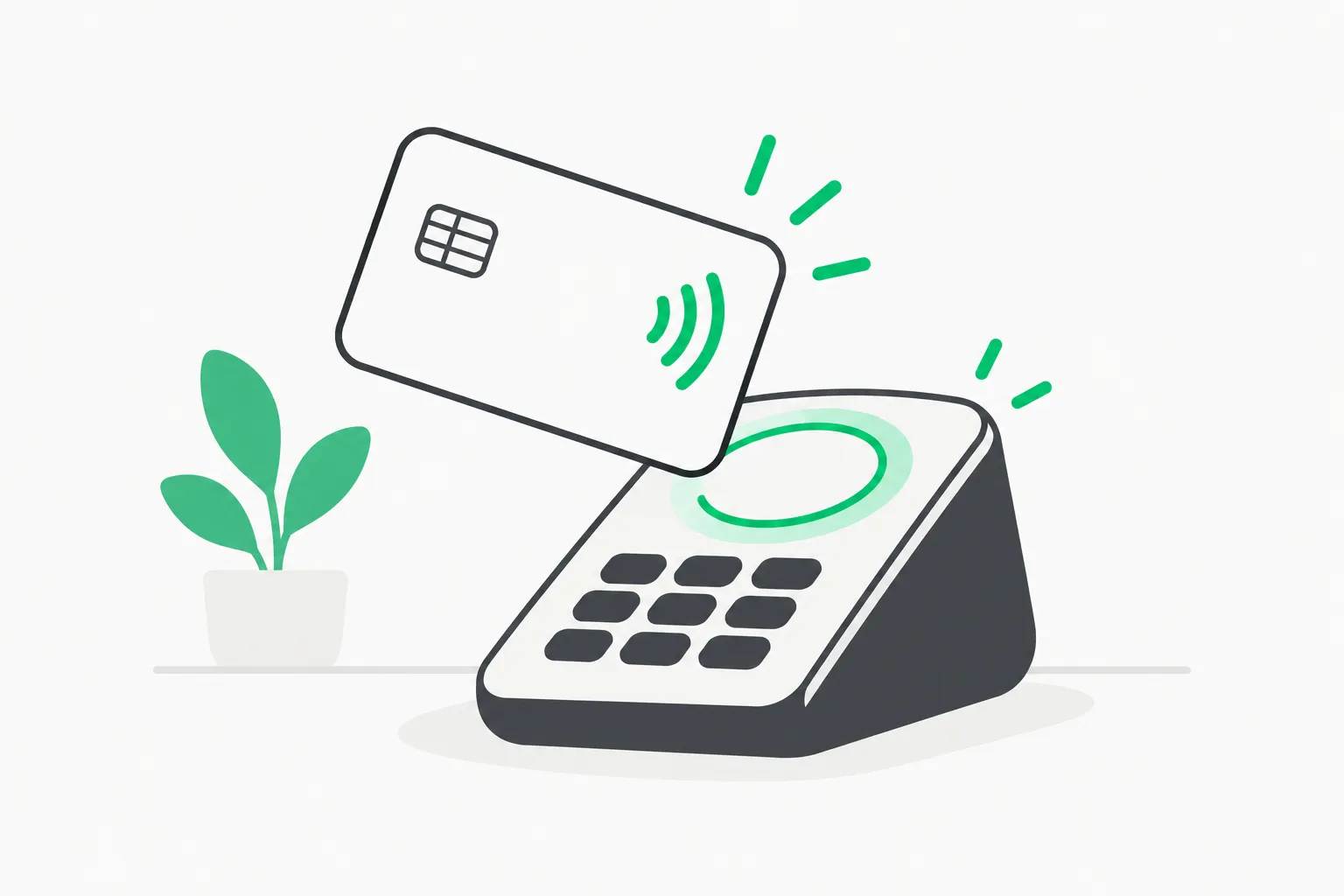 Tokenized card checkout with spending caps for Gemini agent purchases
Agent Payments Protocol (AP2) is the payments layer for agent checkout. Google plans Universal Commerce Protocol (UCP) integration next for faster discovery-to-checkout flows.
Builders shipping commerce agents should read AP2 alongside Sierra Poppy and personal agent protocols — different vendors, same problem: authorized spend without exposing PANs to the model.
Gemini Tasks vs other personal agents
| Surface | Who it is for | Data posture | Ship date |
|---|---|---|---|
| Gemini Tasks | Google ecosystem households | VMs + Google Pay tokens | Nov 17, 2026 free in six countries |
| GPT-6.2 in ChatGPT Work | OpenAI paid work users | OpenAI stack + new cyber refusals | Same week as Tasks |
| Proton Lumo Desktop | Privacy-first desktop users | Swiss hosting, zero-access chats | Nov 17 Lumo Desktop |
| Apple Siri limits | iOS users | On-device and iCloud policy | Siri usage limits beta |
None replaces enterprise agent builders like Bedrock AgentCore memory patterns; they compete for consumer default assistant.
How to try Gemini Tasks
- Confirm you are in a supported country.
- Update the Gemini app, switch Task mode, start with a low-risk chore (calendar sync).
- Set payment caps before shopping tests.
- Review connected app permissions and disconnect unused integrations.
Calling features need a U.S. number and exclude IN, LA, MN, MT, NE.
RCS, Wallet on iOS, and regional limits
Google ties several features to U.S. phone numbers and eligible carriers for RCS texting. Instacart handoffs depend on that channel working on your device plan. Google Wallet expanding to iOS matters for AP2 receipts landing where iPhone users actually look — a small detail that changes support load if your household mixes Android and iOS.
Calling restrictions in five U.S. states mean national marketing can over-promise phone agents. If you document internal playbooks, stamp state eligibility beside any “Gemini called the vendor” template.
Personal Intelligence is the memory backbone: vehicle model, home address, calendar habits. Users who refuse memory features may get worse Task results — not because Hydrogen is weaker, but because context is thinner. That mirrors OpenEvidence and health-memory debates about how much personal data agents require.
What is Copilot Studio vs Gemini Tasks?
Searchers often confuse Microsoft Copilot Studio with Gemini Tasks. Copilot Studio is a low-code enterprise agent builder tied to Microsoft 365 data estates and workshop licensing questions explainx.ai sees in Search Console. Gemini Tasks is a consumer toggle in the Gemini mobile and web app with Google Pay and Maps integration.
Enterprises standardizing on Entra and SharePoint should not assume Tasks replaces Copilot agents; households already on Google One may never adopt Copilot at all. Product teams should write separate runbooks instead of forcing one assistant narrative.
For explainx.ai readers asking “what is Gemini Tasks?” in search: it is not a separate app. It is Task mode inside Gemini plus optional SMS and email ingress, backed by Hydrogen in the six free countries named on November 17. If the toggle is missing, you are outside rollout geography or on an app version Google has not updated yet — check Play/App Store release notes before filing a bug. India, Korea, Japan, Canada, and Australia joins share the free tier but may receive U.S.-only payment features later per Google’s phased wording.
Security notes for builders copying Google’s pattern
- Run untrusted web fetches outside your main tenant.
- Log tool approvals like Lumo’s auto / ask / block triage.
- Never store card PANs in prompt context; use tokenized rails.
- Expect prompt injection via email when users forward inboxes — mirror GTIG Claude Code backdoor research.
Developer path: Connected Apps Platform
Google says more than 60 apps already integrate and invites developers to apply to the Connected Apps Platform named in the November 17 post. If you ship a consumer service, the near-term product question is whether your site tolerates assistant traffic without breaking CAPTCHA-only checkout flows — Google explicitly describes partial handoffs where Gemini completes most steps and returns the screen for a final human click.
For builders inside enterprises, the more actionable read is Agent Compute Engine isolation: replicate per-tenant VMs or equivalent namespace separation before you let an internal agent touch payroll or CRM writes. Nasiko-style token gateways and Perplexity Monitor webhooks solve different layers, but the isolation story rhymes.