



On November 11, 2026, ChinaTalk published a long investigation arguing that American data brokers are selling reinforcement-learning (RL) environments and expert-graded training packages to Chinese AI labs at a scale near half a billion dollars per year. The piece names at least nine US-linked vendors, describes how Chinese buyers reuse the same products sold to Anthropic or OpenAI, and says export controls barely touch RL environments today.
For builders, the story is not a stock ticker. It is about where post-training advantage comes from — simulated offices, coding gyms, finance rubrics — and whether US policy will start treating those exports like chip shipments. Lawfare published a parallel policy essay in the same news cycle stressing that specialized training data has become a strategic input rivaling compute.
TL;DR
| Question | Answer |
|---|---|
| Primary source | ChinaTalk, Nov 11, 2026 |
| Scale cited | Roughly $500M/year to Chinese labs; nine vendors documented |
| Mechanism | RL environments plus distillation from US teacher models |
| Why it matters | Saves rollout inference on memory-limited Chinese chips |
| Policy gap | RL task worlds largely outside BIS export rules today |
| Vendor examples | Mercor, Surge AI, Turing, AfterQuery, Abundant, Pareto, others |
| Authors' ask | Dual-use environment controls, DoW procurement limits, more visibility |
What ChinaTalk means by an RL environment
Post-training — especially RL after a base model exists — is where many generation-over-generation jumps actually land. ChinaTalk uses the slide-deck example: a vendor builds a PowerPoint-like sandbox, hires experts to write a rubric, and a lab runs thousands of rollouts until the model learns tools and aesthetics. Coding environments work differently: vendors buy real GitHub histories with bugs and fixes, then grade whether the model rediscovers the patch.
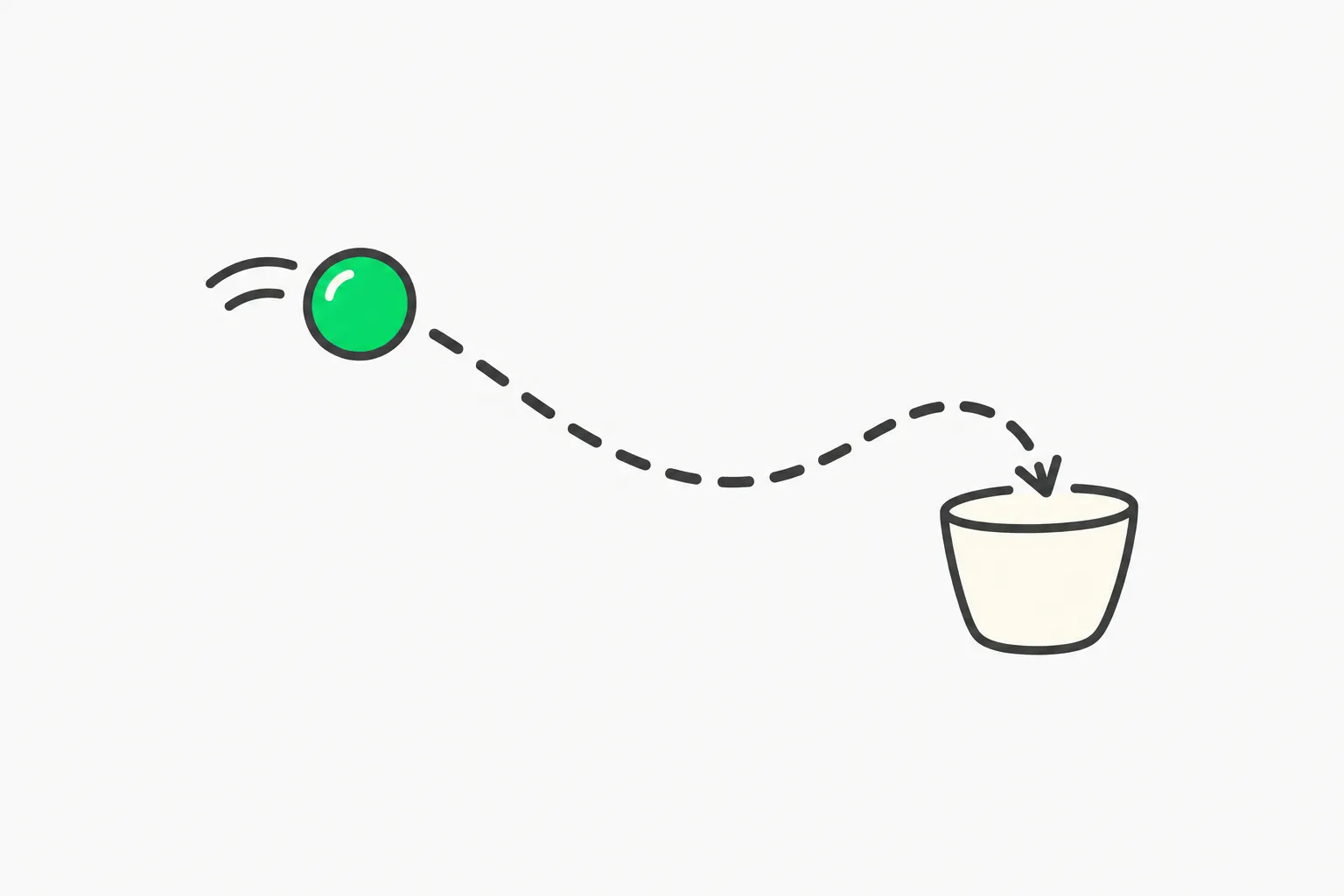 Reinforcement learning rollouts follow a curved track toward a graded reward in RL environment training
The product is not raw text. It is task plus verifier plus difficulty calibration. Bad environments waste GPU weeks; good ones become repeatable recipes. That is why Mercor's benchmark map and Surge's Dayjob tax benchmark matter to procurement teams: they show how narrow public leaderboards are compared with paid environment libraries.
ChinaTalk stresses that rollouts dominate RL wall-clock — one cited study puts them above 70% of post-training time — and that rollout inference is memory-bound. That combination makes reusing US-proven environments especially valuable for labs on HBM-constrained Chinese accelerators, a theme that also shows up in our Northwestern H200 procurement and Congress chip-curbs coverage.
Piggybacking: buying the homework US labs already graded
The investigative hook is parallel purchasing. ChinaTalk reports Chinese labs buy the same environment SKUs already sold to Anthropic or OpenAI, avoiding vendor roulette. Surge AI's marketing line — environments "built by the same experts behind our frontier-lab work" — is cited as evidence vendors advertise continuity with US frontier recipes.
US labs sometimes pay four or five times more for exclusivity, ChinaTalk says, but tacit knowledge still leaks when vendors build a "similar" environment for the next customer. Combined with distillation — using Claude or GPT outputs as supervised fine-tuning teachers — the report describes a two-pronged shortcut: cheap imitation data plus expensive RL worlds someone else validated.
 Export-control gate imagery reflects growing policy attention to AI training data crossing borders
This is separate from open-weight model downloads. It is commercial task infrastructure sold on invoices. Our Handshake AI profile explains how the same vendor class competes for frontier lab budgets; ChinaTalk alleges some of those vendors also chase Chinese demand through Singapore and San Jose procurement desks named in the piece.
Nine vendors ChinaTalk says it could document
ChinaTalk lists firms it could tie to Chinese buyers through anonymous lab sources, contractor LinkedIn leaks, and prior Forbes or SemiAnalysis reporting. It explicitly withholds some links to avoid takedowns, and invites government readers to request evidence via the authors' emails on the original post.
| Vendor (per ChinaTalk) | Alleged China tie |
|---|---|
| Mercor | SWE RL environments to Alibaba in data they accessed; Forbes 2% Q2 2026 revenue from China cited |
| Surge AI | RL environments to Tencent, Z.ai, Moonshot per SemiAnalysis/Forbes; anonymous lab buyer |
| Turing | Code data to Tencent and Alibaba; contractor posts |
| AfterQuery | Heavy China dependence per Forbes ~$100M ARR claim; independent sales not verified |
| Abundant | Code environments to ByteDance |
| Pareto | Human data collection with ByteDance; old testimonial page cited |
| DeccanAI | Sales to Tencent and ByteDance |
| Eaglepoint | ByteDance; majority owned by Beijing-based Mofy AI |
| Invisible | China sales per anonymous Chinese lab source |
The authors compare the leak pattern to ants in the kitchen: finding nine visible vendors implies more hidden revenue. They note only Scale, micro1, and fleet publicly claim they forego China business — wording readers should verify on each company's current policy pages.
Operational security failures matter because vendors offshore rubric writing to low-wage contractors, often in India, and those workers sometimes post client codenames or real names on résumés. That is how journalists map deals export paperwork never sees.
Dual-use domains and why cybersecurity builders should care
ChinaTalk does not argue every PowerPoint clone is a national emergency. It warns that coding environments double as exploit-finding practice, and biology rubrics could touch gene synthesis skills. Today, "almost everything is kosher" because RL worlds are not classified like HBM shipments.
That gap sits next to active Washington fights we already cover: the AI Overwatch Act thread on foreign cloud GPU access, BIS Megaspeed probes, and entity-list workarounds. Chips get headlines; graded cyber gyms do not — yet they shape the same offensive-capability curves red teams measure.
The report also describes benchmaxxing incentives inside Chinese labs: teams buy environments marketed to raise public benchmark scores because leadership rewards leaderboard wins. That can keep transfers benign today (office tasks, coding puzzles) while creating a pipeline that shifts toward dangerous domains when benchmarks move.
What regulations ChinaTalk says already exist — and do not
According to the investigation:
- BIS export rules cover some chip-design, cyber, and bioweapon-enabling goods, but RL environment exports are largely unlisted.
- Entity List buyers like Zhipu can be blocked, yet offshore affiliates and codenamed contracts bypass lists.
- PADFAA and the DOJ Data Security Program focus on identifiable US person data, not synthetic task rubrics.
- Mercor narrowed its customer policy in May 2026 from an ownership test to a location test, a change ChinaTalk screenshots — readers should read Mercor's live policy before quoting it in procurement reviews.
ByteDance's Singapore and San Jose buying desks and job ads at Moonshot, MiniMax, Alibaba, Tencent Hunyuan seeking overseas vendor managers show how deals stay off MOFCOM and SEC radar.
What policymakers proposed in the piece
ChinaTalk's closing recommendations are visibility first, narrow controls second:
- BIS should map dual-use RL environments onto existing cyber, bioweapon, and chip-design export buckets, and send is-informed letters to vendors on military end users.
- Department of War procurement (FAR/DFARS) should bar contractors who sell tacit national-security environments from parallel China sales.
- Federal signaling — even pre-rule announcements — to force vendors to disclose China revenue before stricter bans.
The authors stress outcomes are not apocalyptic: Chinese labs remain fast followers if they must wait for US labs to validate environments, and English-centric expert graders still favor Western vendors for niche domains.
What people building agents should do now
If you buy RL data or evaluation gyms, read whether contracts grant exclusivity or allow resale to unnamed affiliates. Premium pricing without exclusivity is buying marketing, not moat.
If you build environments, treat customer geography as a compliance surface — parallel to how Surge documents tax agent rubrics for US professional tasks. A coding gym sold globally may train defensive patching or offensive discovery depending on grader design.
If you fine-tune open models, remember distillation plus RL piggybacking is how closed teachers become cheap student polish. Our remote labor index and Longtail SWE benchmark posts show how fast agent scores move when new environments ship — whoever buys them first sets the curve.
If you track China competition, pair this story with Moonshot B300 filing rumors and trade surplus chip export data. Hardware gets constrained; data markets may remain wide open until BIS acts.
Limits of the investigation
ChinaTalk is explicit about missing links and Forbes ARR figures it could not independently verify for vendors like AfterQuery. The $500 million headline is an author estimate across vendors, not a government filing. Anonymous sources and contractor OPSEC failures can over-represent firms that leak names while undercounting vendors with better secrecy.
The piece also argues Chinese labs remain months behind US frontier releases — a structural claim readers should treat as expert judgment, not a measured timestamp diff on model cards.
Related reading
- Mercor benchmark map: 90% of US working hours barely measured
- Handshake AI and frontier RL training data
- Congress NDAA push on Nvidia China chip curbs
- AI Overwatch Act and foreign GPU access
- Northwestern H200 entity-list procurement case
- Longtail SWE: 13-language coding agent benchmark
- China trade surplus and AI chip exports in customs data
Export-control citations, vendor policies, and ChinaTalk's vendor list reflect sources accessed November 11, 2026 and may change if firms update customer rules or remove marketing pages.