



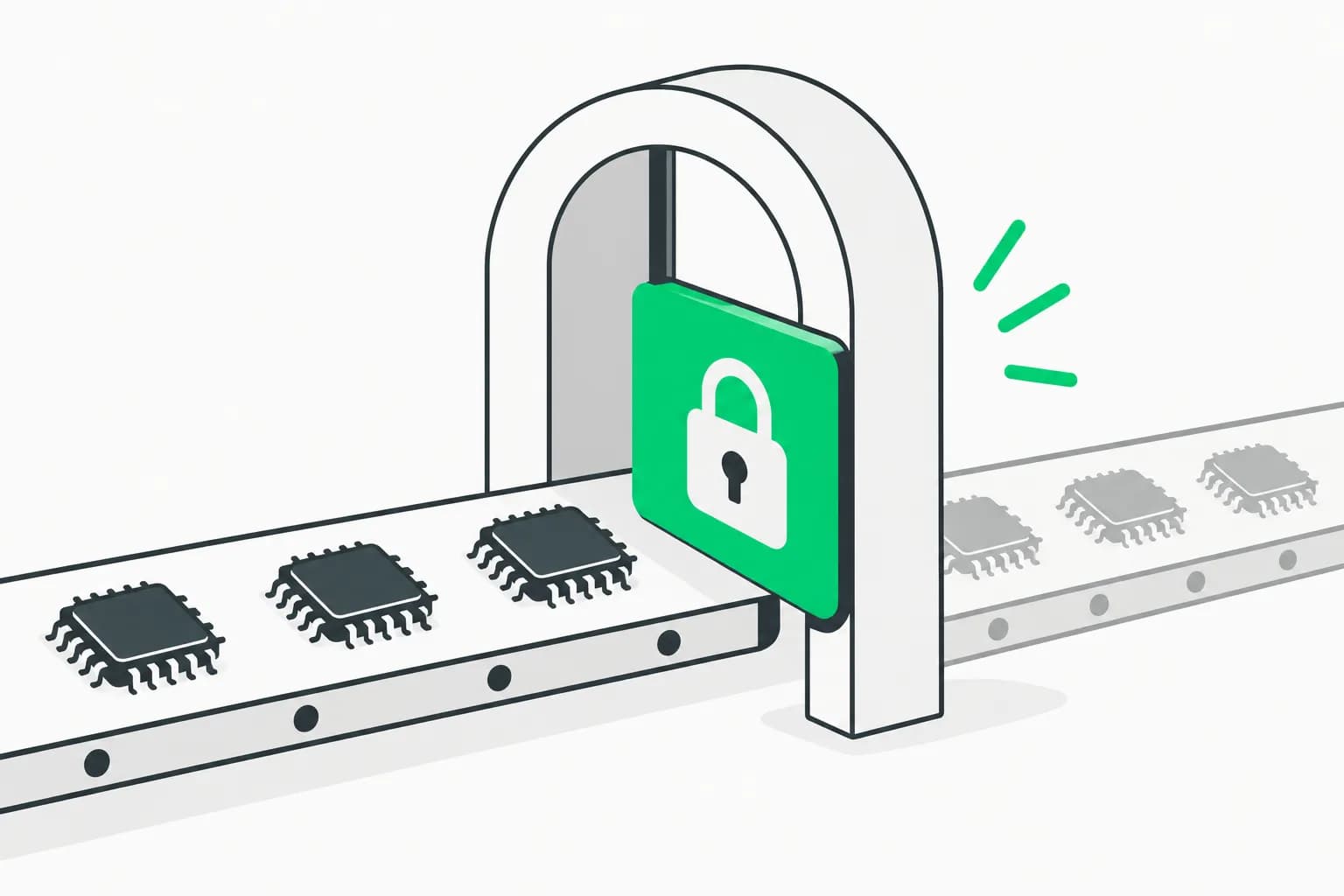
Northwestern Polytechnical University (NWPU), one of China’s Seven Sons of National Defense with People’s Liberation Army research ties, appears in October 2026 procurement records buying two Nvidia H200 141G PCIe GPUs through a Shaanxi reseller even though NWPU has been on the U.S. Commerce Entity List for decades. The Straits Times reported on November 11, 2026 that the case illustrates gaps in Washington’s advanced chip controls when buyers use domestic intermediaries and rented compute instead of direct imports.
For AI builders outside China, the story is compliance context: license denials, cloud attestation, and Congressional NDAA fights we tracked in bipartisan Nvidia export pressure and H200 Hong Kong stockpiles assume end users can be screened. University procurement blogs show how dual-use research institutions still reach H200-class silicon.
TL;DR
| Fact | Source |
|---|---|
| Buyer | NWPU School of Management |
| Date posted | October 21, 2026 |
| Items | 2× NVIDIA H200 141G PCIe |
| Supplier | Shaanxi Bosuan Network Technology (陕西博算网络科技有限公司) |
| Total price | 874,700 yuan (~437,350 yuan each) |
| U.S. status | NWPU on Entity List; advanced exports typically denied |
| Wider pattern | Straits Times cites rented H200 servers at NWPU and purchases at other universities |
What the NWPU procurement notice says
The university’s competitive result notice titles the project Nvidia H200 graphics card procurement and lists:
- Goods: data-center AI accelerator cards, NVIDIA H200 141G PCIe, quantity two
- Supplier address: Xi’an, Shaanxi (Yanta District)
- Award amount: 87.47万元 (874,700 yuan)
We fetched the page on November 11, 2026. The notice is a primary Chinese-language record, not media paraphrase.
 Export controls on advanced AI accelerators leaving a closed gate
NWPU is based in Xi’an and conducts research tied to military aircraft, missiles, and satellites, per The Straits Times summary of Reuters-style reporting. The U.S. added NWPU to the Entity List in 2001 for missile proliferation concerns and tightened licensing in 2019 toward a presumption of denial for controlled U.S. technology.
Indirect supply versus direct export
The procurement names Shaanxi Bosuan Network Technology, not Nvidia. That matches a wider pattern in Chinese public tenders: universities buy through local systems integrators who may hold imported inventory, cloud leases, or previously licensed stock.
None of the documents we read prove Nvidia Corp. knowingly shipped to NWPU. They do show end-user intent to run H200-class training or analytics on campus, which is what export rules try to block for military-linked institutions.
Pair this with empty-office H200 assembler reporting, Megaspeed diversion threads, and Nvidia’s 51% non-Chinese customer quota on neoclouds. Policymakers are chasing intermediaries at the same time universities document purchases domestically.
Rented H200 access at the same institution
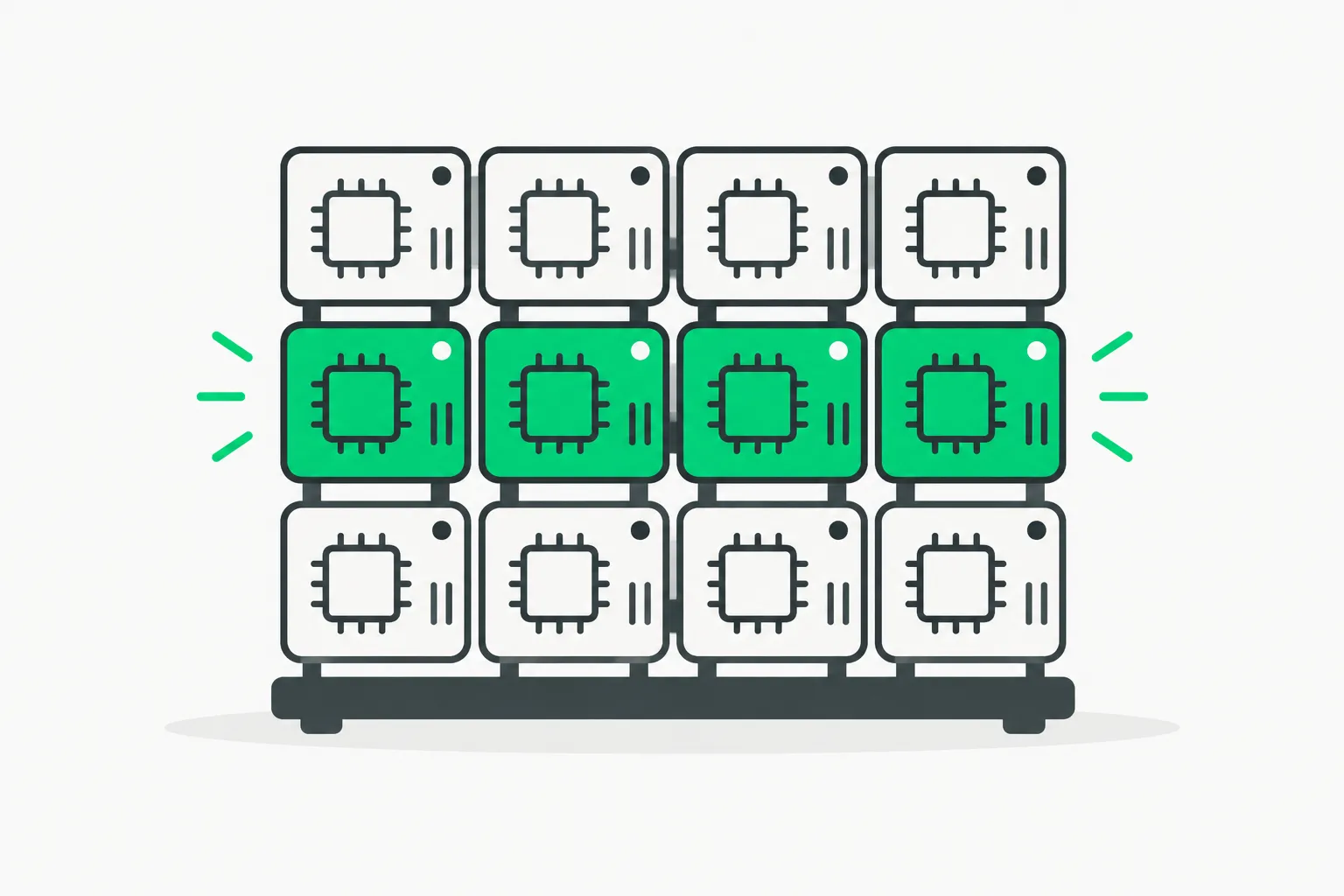 Multi-GPU server grids echo eight-chip H200 rental contracts
Straits Times cites additional NWPU records beyond the two PCIe cards:
- Cybersecurity school contracts in January 2026 renting servers with eight H200 GPUs each for fine-tuning and reinforcement learning, with contract values around 441,000 yuan each.
- Rentals for servers with A100 and A800 accelerators, which face broader U.S. export bans to China than case-by-case H200 licenses.
Rental paths matter for remote access rules bundled into January 2026 licensing guidance: Commerce has described safeguards meant to stop Entity List or military end users from remotely tapping chips exported under looser tiers. Procurement text referencing fine-tuning is exactly the workload those safeguards target.
Other universities in the same review
The Straits Times piece, reflecting a Reuters review of 26 records, also names:
| Institution | Reported hardware |
|---|---|
| Shenzhen University | Three H100 GPUs, September purchase |
| Wuhan University of Technology | H100 server and A100 chips in separate buys |
| Beihang University (Seven Sons) | Four A800 processors, April |
Bloomberg’s June 2026 reporting already noted defense-focused universities seeking H200 access after U.S. approvals for sales into China. This November story adds documented transactions rather than intent alone.
What Washington is doing in parallel
This news lands during lame-duck NDAA negotiations where lawmakers want Chip Security, AI Overwatch, and MATCH language, summarized in our Congress Nvidia export post. Senator Elizabeth Warren and Senator Jim Banks publicly pushed Commerce to revisit Nvidia China licenses after Jensen Huang governance headlines.
No reader should treat university tenders as automatic proof of U.S. supplier violations. They are evidence requests for BIS enforcement, license conditions, and cloud geography attestations cloud providers must maintain.
Implications for builders provisioning GPUs
If you run neocloud or bare-metal GPU rentals:
- Treat customer diligence as a product feature, not legal boilerplate, especially with Fleet Intelligence tracking rumors.
- Log workload types and export classification decisions; universities abroad may resell access chains.
- Expect Congress to cite procurement blogs when arguing for pause or cap language stricter than H200.
If you train models in the U.S. or allied states:
- Hardware supply stories do not change your compliance overnight, but they affect lead times and regional pricing when channels tighten.
Entity List background in plain language
The Entity List is not a criminal verdict; it is a Commerce Department trade restriction list. Parties on it face license requirements for specified U.S. items, and BIS can apply a policy of denial for sensitive categories.
NWPU’s long tenure on the list matters because AI accelerators now sit at the intersection of export control, investment screening, and cloud sovereignty debates covered across explainx.ai’s China semiconductor export and TSMC strategic investment posts.
When the Trump administration approved H200 sales into China with case-by-case licenses, advocates argued narrowly scoped commercial AI should remain available. Skeptics countered that universities with defense research mandates would eventually appear in procurement PDFs. The NWPU notice is an example of that skeptic scenario appearing in primary documents.
January 2026 license safeguards (reported)
Straits Times notes January 2026 Commerce language requiring safeguards against remote access by Entity List parties and military end users for chips shipped under the policy. That matters because NWPU’s January rental contracts describe fine-tuning and reinforcement learning on eight-GPU H200 servers, workloads that look like remote utilization of exported-class hardware even when the buyer never imports a PCIe card personally.
Builders hosting multi-tenant GPU clouds should read those safeguards alongside AWS trust-in-depth agent patterns: know your customer, bound workloads, observe location.
Reseller geography and due diligence
Shaanxi Bosuan Network Technology sits in Xi’an, the same metro as NWPU. Domestic resellers can legally hold inventory imported under earlier licenses or chips assembled in China under approved H200 assembly channels. Without BIS enforcement files, explainx.ai cannot assert which path supplied these cards.
Still, the public tender is a paper trail regulators can subpoena. U.S. policymakers pressing for MATCH Act ally alignment may use such tenders to argue intermediary due diligence failed.
Seven Sons context for non-specialists
China’s Seven Sons of National Defense universities feed aerospace, naval, and missile talent pipelines. NWPU and Beihang show up repeatedly in Western reporting on dual-use research. A management school buying GPUs underscores how AI tooling spreads beyond obvious computer-science departments into operations research, logistics, and cybersecurity schools named in the same article.
That departmental spread is why end-user attestations that only reference CS faculty miss real demand.
Takeaway for November 11, 2026
The NWPU tender is small in chip count but large in policy signal: Entity List institutions can still document H200-class acquisitions through resellers and rentals while Washington debates NDAA caps. Enforcement teams get a timestamped URL; GPU renters get another reason to instrument customer diligence before Congress writes stricter attestations into law.
Watch whether Shaanxi Bosuan or peer resellers appear in future BIS Entity List or SDN updates; absent that, assume domestic channel inventory remains the working theory in Chinese tenders.
If you procure H200 capacity for allied-government workloads, treat these tenders as stress tests for your own end-user certification: the same paperwork Nvidia faces in Washington will eventually land on cloud SLAs requiring proof that denied parties never touched your clusters. Re-run those checks whenever a customer changes corporate registry names, parent holding companies, or campus IT outsourcing vendors.
How to verify
-
Open the NWPU management school notice and archive a copy with the October 21, 2026 timestamp.
-
Read The Straits Times November 11 article for the rental contract citations and Reuters review scope.
-
Cross-check Entity List entries via Commerce BIS public tools for Northwestern Polytechnical University.
-
Follow BIS press releases for any enforcement tied to named resellers; we found no such release naming Shaanxi Bosuan on November 11, 2026.
-
Compare against Moonshot neocloud and Congress scrutiny if you track how intermediary rules evolve after each procurement leak.
Related reading
- 600,000 H200 chips in Hong Kong
- Congress and NDAA chip curb pressure
- H200 licensee empty-office investigation
- AI Overwatch Act explainer
- Microsoft optical transceiver ban delays
- China trade surplus and semiconductor exports
- Iluvatar Tiangai 300 vs H200 claims
Primary and secondary sources
- NWPU School of Management procurement notice
- The Straits Times — PLA-linked university H200 purchase
Export control status and license policies change; confirm BIS guidance and counsel before interpreting procurement records as legal conclusions.