




NVIDIA Nemotron researchers published Nemotron-Labs-VisualCreation on November 23, 2026 (submitted to Hugging Face daily papers on November 24), describing agentic visual creation through Pixel as Code. The idea is simple to state and hard to ship: pixels flow through discrete visual tokens, layouts and charts flow through programs, and a Nemotron-native harness plans, renders, and repairs both in one loop.
TL;DR
| Piece | Role per paper abstract |
|---|---|
| Nemotron-Labs-Image-Tokenizer | Faster discrete raster codec (PSNR vs Emu3.5 IBQ) |
| Nemotron-Labs-Image-30B-A3B | Autoregressive raster generator (HF project page) |
| Nemotron-Labs-VisionCode | Structured code models for charts, SVG-like layout, pages |
| Harness | Planning + candidate selection + targeted repair |
| Benchmark hook | GenEval2 Soft-TIFA GM 31.71 → 52.56 (same raster gen) |
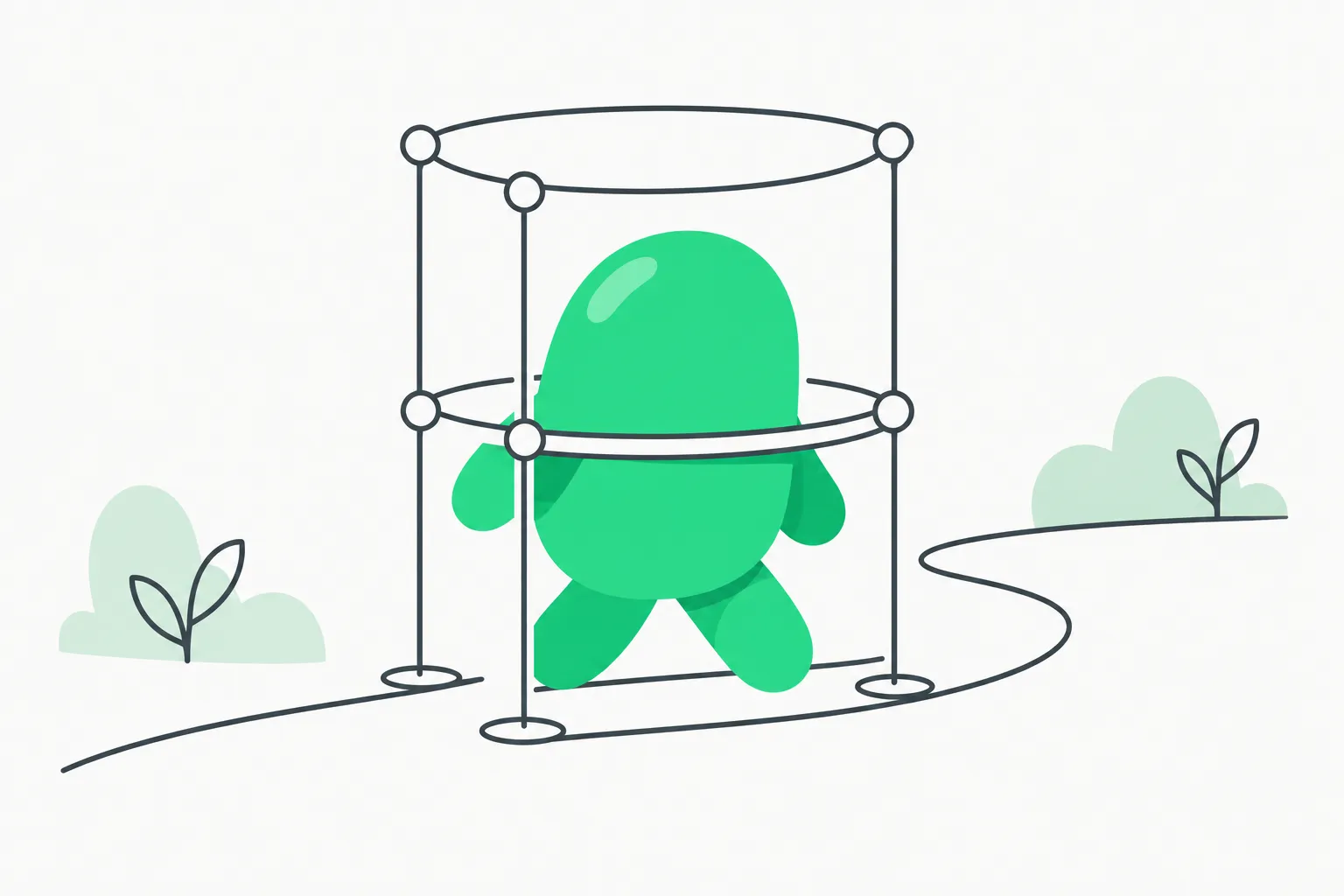 Agentic visual harnesses pair raster tokens with editable layout programs in one repair loop
Why Pixel as Code matters for builders
Most image APIs return one bitmap per prompt. Product teams also need editable structure: legends, tables, webpage chrome, multi-panel figures. The paper argues those structured artifacts should stay programs you can diff and patch, while photographic regions stay tokenized rasters.
That mirrors how Meituan dNaViT and other discrete vision token lines treat pixels as sequences, but NVIDIA here adds a full agent loop—closer to Harvey Muse Spark legal agents than to a single txt2img endpoint.
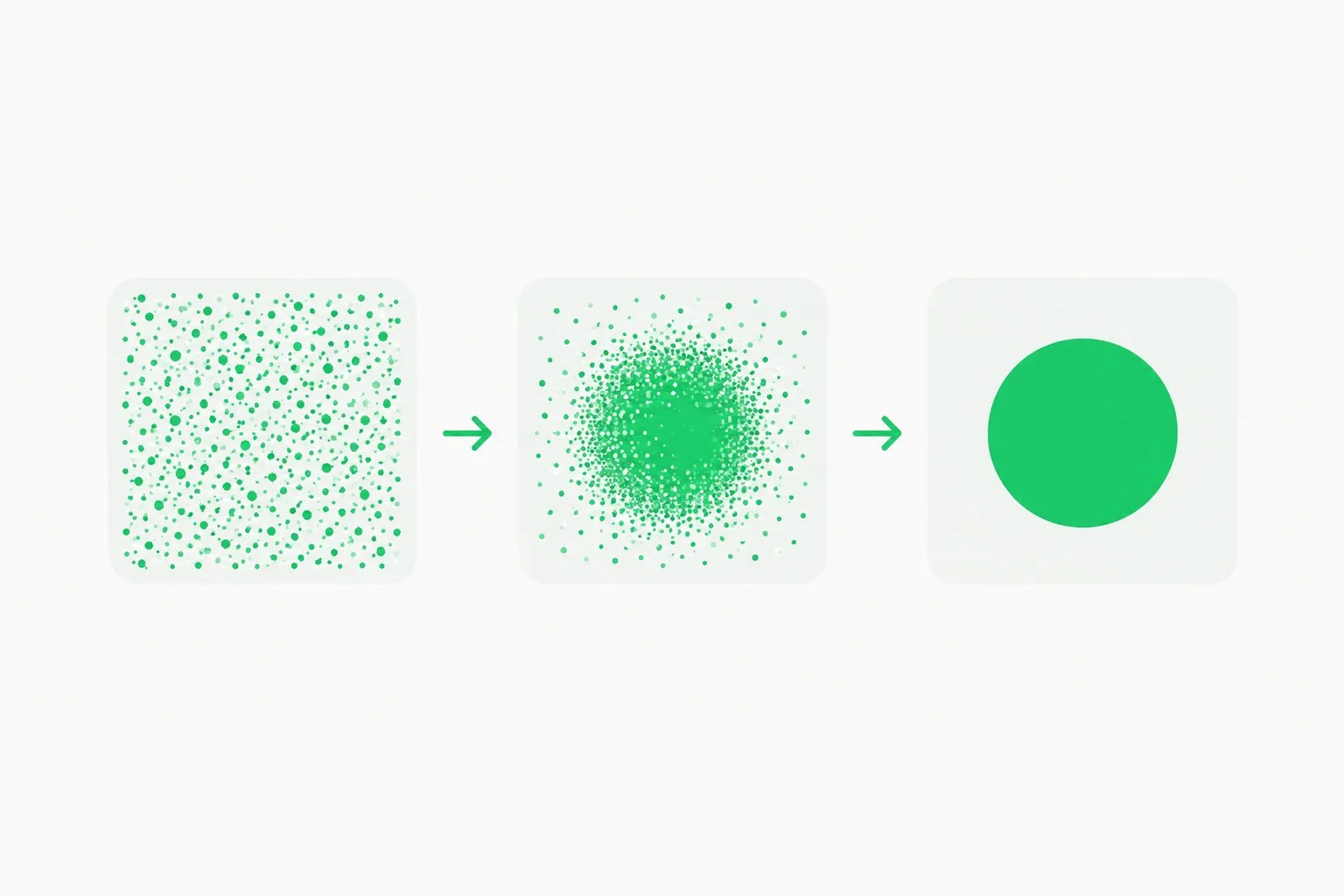 Nemotron VisualCreation maps discrete image tokens and layout code through one render interface
Tokenizer and speed claims
On ~178K images across six visual domains, the abstract reports:
- PSNR 29.57 dB vs 26.08 dB for Emu3.5 IBQ
- 7.13× faster encoding and 10.93× faster decoding at batch size 1 on A100
Those numbers are hardware-specific and vendor-measured. Before you swap tokenizers in production, replicate on your GPU SKU—especially if you run Cosmos nano on 12 GB class hardware instead of A100.
VisionCode vs frontier coding models
Standalone, one Nemotron-Labs-VisionCode variant claims to beat Kimi K3.1 Pro on an aggregate across Chart2Code, MMSVG, Design2Code, and Image2Struct. That is a layout-code slice of the market, not general agentic coding harnesses.
Teams comparing slide automation or dashboard generators should:
- Pull the benchmark splits named in the PDF
- Run their own brand templates through VisionCode
- Keep Ideogram 4.6 editing claims in mind for strict pixel edits
System-level GenEval2 lift
The paper's system result is the harness delta: GenEval2 Soft-TIFA GM moves 31.71 → 52.56 with the same raster generator once the Nemotron-native planner and repair loop is enabled. That is evidence the agent—not only the base diffusion/token model—carries a large share of layout fidelity.
| If you optimize… | Watch this metric |
|---|---|
| Base raster only | Tokenizer PSNR / decode latency |
| Marketing layouts | GenEval2 with harness on |
| Editable charts | Chart2Code subset in VisionCode table |
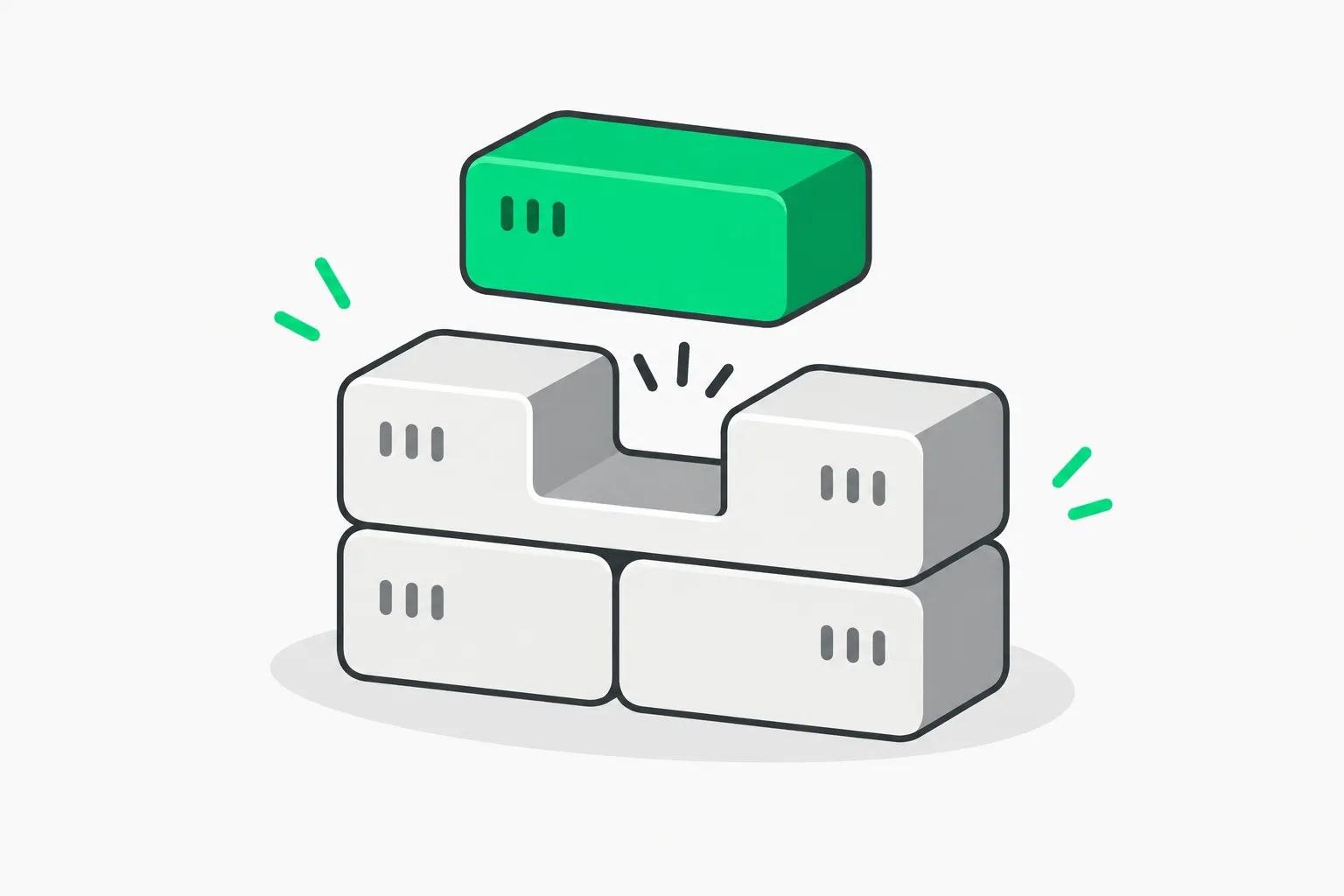 Tokenizer PSNR gains matter only after you replicate encode and decode on your GPU SKU
Models to try on Hugging Face
- Nemotron-Labs-Image-30B-A3B — listed as project page from the paper card
- Paper markdown:
hf papers read 2611.31358(per HF CLI banner) - Gallery: linked in paper discussion by submitter PahaII for qualitative checks
Load procedures should follow the same NVFP4 / A3B conventions as Nemotron Dory loops—watch VRAM, loop counts, and tokenizer batch.
How this fits the Nemotron roadmap
NVIDIA has been stacking Nemotron-Labs releases all year—IOI gold fine-tunes, loop MoE Dory, 3.5 Lightning, TwoTower diffusion. VisualCreation is the multimodal product-design branch: it pairs compute with Cosmos world models narrative on physical AI, but targets creative layout buyers.
Architecture in plain language
Pixel as Code is not one neural net. The paper stacks:
- Tokenizer — compresses pixels to discrete codes quickly enough for agent loops
- Image-30B-A3B — autoregressive model emitting token streams for photographic regions
- VisionCode family — emits SVG/HTML/table programs for editable artifacts
- Harness — chooses plans, renders candidates, runs repair passes when GenEval2 judges fail
Think of it as Claude Code for slides, except the artifacts are both bitmaps and source files. That is closer to 3A GameFactory rigging agents than to Suno one-shot audio.
Benchmark table readers should copy
| Claim | Number | Caveat |
|---|---|---|
| Tokenizer PSNR | 29.57 dB vs 26.08 Emu3.5 IBQ | Vendor eval on 178K images |
| Encode/decode speed | 7.13× / 10.93× on A100 bs=1 | Your L40S may differ |
| VisionCode vs Kimi K3.1 Pro | Wins aggregate of 4 layout sets | Aggregate hides per-task losses |
| GenEval2 Soft-TIFA GM | 31.71 → 52.56 | Harness on, same raster gen |
| vs GPT Image 2 / Nano Banana Pro | Competitive on most listed benches | Vendor-available comparisons only |
How to try the stack today
- Read arxiv:2611.31358 PDF from Hugging Face
- Open Nemotron-Labs-Image-30B-A3B model card for VRAM and precision tables
- Browse the gallery Space linked in paper discussion for qualitative failure modes (text alignment, small fonts)
- Compare against Ideogram editing workflow on one brand template before switching pipelines
Teams already on Nemotron Dory SWE loops should assume VisualCreation will eventually share NVFP4 deployment guidance—watch NVIDIA Nemotron collection pages, not press rewrites.
Enterprise checklist
| Question for procurement | Pass/fail signal |
|---|---|
| Do we need editable layout sources? | VisionCode programs must land in git, not PNG-only archives |
| Can we run 30B-A3B locally? | Match Cosmos nano expectations—30B likely needs multi-GPU or cloud |
| What is human review path? | GenEval2 gains do not remove brand/legal sign-off |
| IP on training data? | Paper does not replace NVIDIA AI license review for commercial fine-tunes |
Research connections
Discrete visual tokens align with Meituan dNaViT and native world models—the industry is converging on tokens + tools, not monolithic diffusion only. VisualCreation is NVIDIA's agent-facing packaging of that trend.
Limits and honest caveats
- Benchmark comparisons to GPT Image 2 and Nano Banana Pro are selective ("most benchmarks with available comparisons")
- No merged checkpoint in the Hugging Face "Models citing this paper" table yet—expect lag before one-click weights match the full system
- Agent repair loops can inflate cost vs single-shot APIs; price per approved slide, not per 1024×1024 image alone
Security and policy adjacency
Layout agents that emit HTML or document code inherit nudify bait-and-switch risks and wired mundane app fraud patterns. Treat VisualCreation outputs like untrusted markup: sanitize before server render, same as Protocolis agent web labs.
Failure modes to expect in the gallery
When you open the Hugging Face gallery linked from the paper thread, look for systematic errors—not one-off glitches:
- Microtext illegibility in chart legends (VisionCode may emit SVG text that does not survive downstream rasterization)
- Color palette drift between repair iterations (harness retries can swap brand colors unless you pin palettes in prompts)
- Over-long webpages where agent planning adds sections that GenEval2 still passes but humans reject
Document failure buckets in your eval sheet the same way WorldLeague physical agency benchmarks document robotics regressions.
Cost modeling for agentic visual loops
Each repair pass invokes tokenizer encode, raster gen, VisionCode patch, and judge calls. A single marketing banner may cost more tokens than one-shot DALL·E if Soft-TIFA thresholds are strict.
| Stage | Billable unit | Planning tip |
|---|---|---|
| Plan | LLM tokens in harness | Cache brand guidelines in system prompts |
| Raster candidates | 30B-A3B decode length | Cap resolution during draft |
| Repair | Extra VisionCode diffs | Stop after N failures; escalate to human designer |
Compare against Claude Duet pricing context only for orchestration costs—the Nemotron stack is self-hosted math.
When to wait for third-party evals
NVIDIA's "competitive with GPT Image 2" language is vendor-selected. Wait for:
- Independent Chart2Code reruns on held-out prompts
- Red-team layout attacks similar to Siren honeypots but for HTML exports
- Latency numbers on L40S and RTX 6000-class cards your buyers actually own
Until then, pilot on internal decks only.
Paper authorship and NVIDIA Nemotron org
The Hugging Face paper page lists Guo Chen, Fuxiao Liu, Haoqin Tu, Bryan Catanzaro, and Cihang Xie among authors—names tied to prior Nemotron and diffusion lines. That pedigree matters for recruiting and partnership decks more than for same-day inference. When legal asks indemnity, cite arxiv authorship and model card licenses, not aggregator summaries.
Licensing and redistribution
Before you fine-tune VisionCode outputs into customer SaaS, read NVIDIA AI license terms on each HF repo release—not the arxiv abstract. Pixel as Code encourages program redistribution; your legal team may still treat generated HTML as user content subject to DMCA and accessibility law.
Multimodal agent registry angle
explainx.ai tracks agent harnesses and autopilot visual benches separately from foundation image models. VisualCreation is a systems paper: expect Docker compose or NeMo recipes in follow-up weeks. Bookmark Nemotron IOI collection as the template for how NVIDIA ships playable assets after arxiv.
Related reading on explainx.ai
- NVIDIA Nemotron Dory 4B loops
- Nemotron 3.5 Lightning MoE
- Nemotron IOI / IMO recipe
- Meituan discrete vision tokens
- Cosmos 3 nano local run
- Harvey Muse Spark agents
- Ideogram 4.6 editing claims
- What are agent skills
Specifications reflect Hugging Face paper 2611.31358 and the linked NVIDIA model card as of November 25, 2026.