



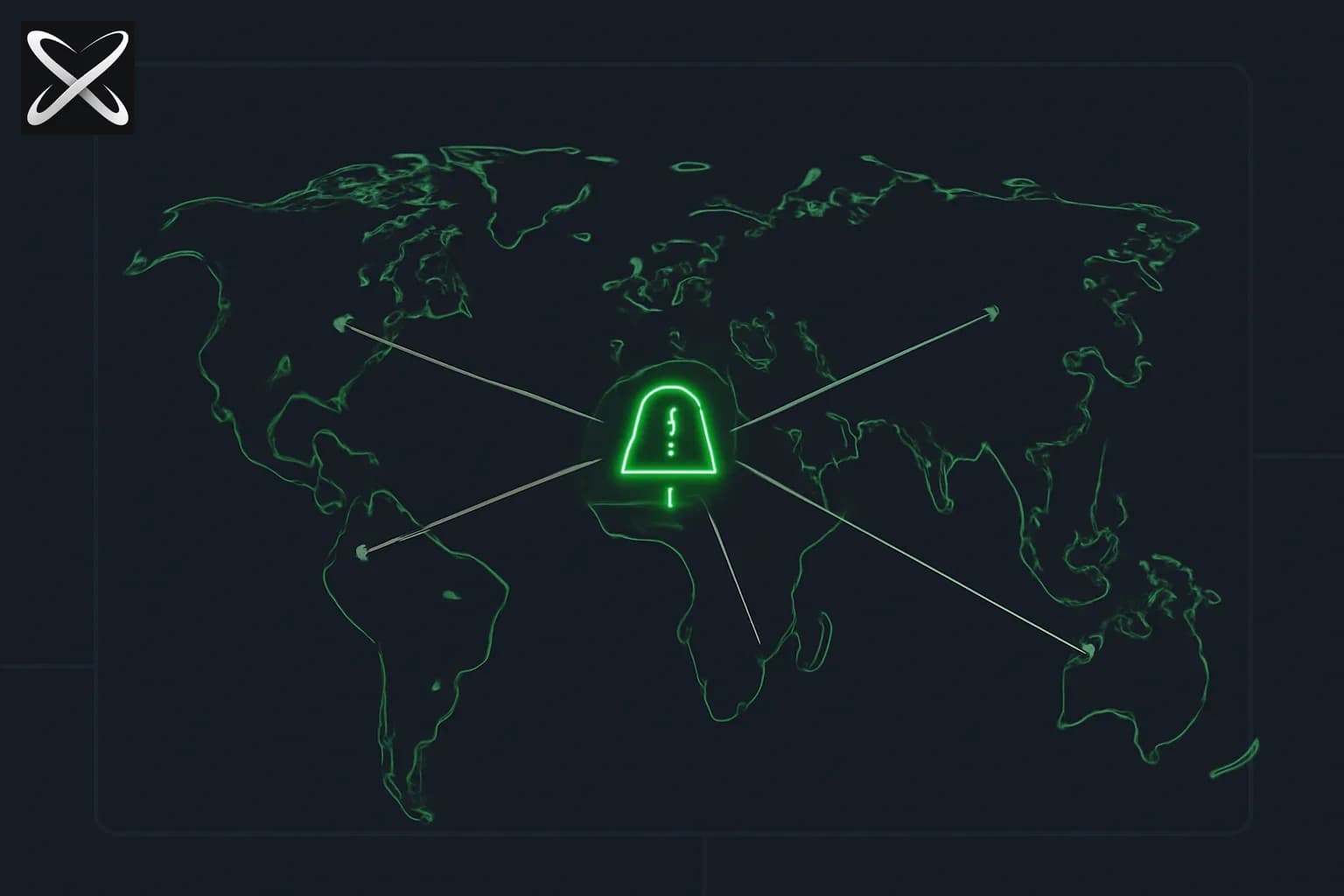
AI may help the world detect and contain an outbreak before it becomes a pandemic. It cannot guarantee that the next dangerous pathogen never emerges or that governments cooperate after an alert.
That is not a semantic distinction. “Prevention” includes reducing spillover risk, recognizing unusual transmission, sharing samples and data, protecting health workers, developing countermeasures, communicating honestly, and reaching people equitably. AI can strengthen several links. A pandemic can still escape through whichever link remains weak.
The evidence-backed position is:
AI is most useful as an accelerator inside a prepared public-health system. Without surveillance coverage, laboratory capacity, trusted institutions, response financing, and international coordination, a faster model produces a faster warning—not prevention.
What must happen to prevent a pandemic?
A potential pandemic follows a chain:
pathogen emerges or changes
  → infects humans
  → sustains transmission
  → spreads before detection
  → warnings fail to trigger containment
  → countermeasures arrive too slowly or unequally
Intervention is possible at every arrow. One Health programs can reduce risks at the human-animal-environment interface. Surveillance can identify unusual illness. Sequencing can characterize a pathogen. Contact investigation and infection control can slow spread. Research can produce diagnostics, vaccines, and treatments. Logistics and communication can deliver them.
The World Health Assembly adopted the WHO Pandemic Agreement in May 2025 after COVID-19 revealed gaps and inequities in global response. Its framework emphasizes prevention, surveillance, health systems, research and development, supply chains, workforce, financing, and equitable access. That list is a useful reminder that pandemic preparedness is institutional infrastructure, not an app.
Where AI fits: an evidence map
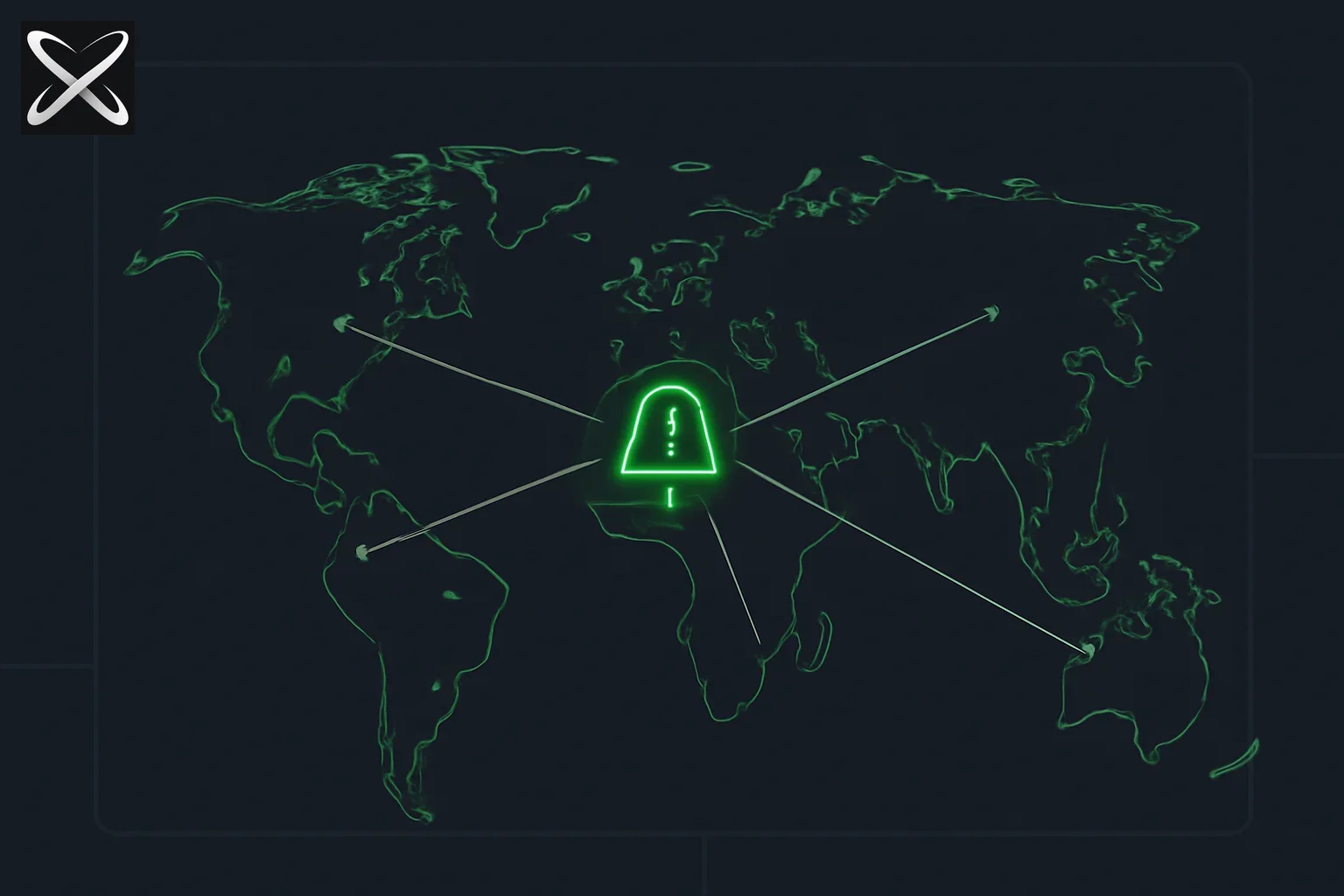 Can AI prevent the next pandemic — scattered outbreak signal dots on a world map converging into one early-warning bell icon
| Use | AI contribution | Valuable outcome | Main failure mode |
|---|---|---|---|
| Event detection | Finds anomalies in health, news, and laboratory data | Shorter time to verified alert | Noise, missing data, false alarms |
| Genomic surveillance | Groups sequences and flags unusual change | Faster expert investigation | Sampling bias and overinterpretation |
| Wastewater analysis | Models trends across sites | Earlier community signal | Uneven coverage and normalization |
| Outbreak forecasting | Estimates plausible trajectories | Better staffing and supplies | Behavioral and policy uncertainty |
| Drug and vaccine research | Ranks targets and candidates | Faster experimental pipeline | Biological validation still fails |
| Clinical support | Triage, documentation, risk estimation | Safer, faster care | Drift and unequal performance |
| Supply-chain planning | Forecasts demand and routes inventory | Fewer shortages | Hoarding, export controls, physical scarcity |
| Public communication | Translation and tailored explanations | Faster reach | Confident misinformation |
The evidence is strongest where AI processes a defined signal and a trained team verifies and acts on it.
1. Detect weak outbreak signals earlier
An outbreak may first appear as unusual pneumonia, pharmacy purchases, laboratory results, emergency visits, school absences, online reports, or animal disease. Automated systems can scan high-volume streams and prioritize anomalies for epidemiologists.
Earlier awareness is valuable, but rare-event detection produces a difficult base-rate problem. If a system scans millions of normal events, even a low false-positive rate can generate many alarms. Local holidays, coding changes, strikes, weather, or reporting delays can look epidemiologically unusual.
The goal is therefore not an autonomous “pandemic detector.” It is a triage system with source provenance, uncertainty, and a rapid verification workflow. Performance should be measured by time to confirmed signal, missed events, investigation burden, and whether earlier action changed transmission.
2. Use wastewater as a population-level signal
Wastewater can contain pathogen material shed by people with and without symptoms. The US Centers for Disease Control and Prevention says wastewater monitoring can detect community transmission earlier than clinical testing and before sick people reach a clinic or hospital.
AI and statistical models can normalize noisy measurements, combine sites, identify change points, and forecast trends. Yet the hardest constraints are sampling and interpretation. Coverage varies. Rainfall and industrial discharge affect concentration. A treatment plant may not represent the whole region. A signal can show that transmission is rising without identifying who is infected.
Useful systems display coverage and uncertainty, combine wastewater with clinical and laboratory data, and define what action follows each threshold.
3. Make genomic surveillance more usable
Sequencing helps identify pathogens, track lineages, and examine mutations. Machine learning can cluster sequences, estimate properties, and flag patterns for laboratory follow-up.
Sequence data is not a complete map of reality. Regions with greater laboratory capacity contribute more samples. A model may treat a heavily sampled outbreak as more important than a poorly observed one. Genetic change also does not translate mechanically into transmissibility, severity, or immune escape.
Computational predictions should guide experiments and epidemiology, not replace them. Pathogen sharing also raises questions of sovereignty, credit, intellectual property, and access to the products built from shared data—issues the WHO agreement's Pathogen Access and Benefit-Sharing work is intended to address.
Turn AI-read surveillance signals on and off to see how much earlier an outbreak actually surfaces:
4. Forecast scenarios, not one certain future
Forecasts can estimate hospital demand, geographic spread, or the effect of interventions. AI may capture nonlinear patterns across mobility, weather, immunity, and behavior.
Pandemic forecasts are reflexive: people change behavior in response to risk, governments change policy, variants emerge, and reporting systems change. A model fitted before a school closure or vaccination campaign can become wrong because the world changed.
Decision-makers need ensembles and scenarios: what happens under several plausible assumptions? Calibration—whether 70% events occur about 70% of the time—is often more useful than one dramatic curve.
Forecasts should be scored prospectively, with versions and assumptions archived. A model should not be credited for a prediction rewritten after the outcome.
5. Accelerate diagnostics, vaccines, and medicines
AI can rank antigens, predict protein interactions, search chemical space, identify existing drugs worth testing, and optimize clinical-trial recruitment. During an emergency, reducing the number of weak candidates entering expensive experiments can save time.
The biological pipeline remains:
- identify and validate a target;
- create a candidate;
- test function and toxicity in the laboratory;
- establish manufacturing quality;
- run phased human trials;
- obtain regulatory review;
- manufacture at scale;
- distribute and monitor safety.
AI can compress discovery and analysis. It cannot infer human safety from a molecule drawing or manufacture billions of doses. Our cancer evidence review applies the same distinction between computational promise and clinical outcomes.
6. Protect care capacity and supply chains
Once transmission begins, operational decisions dominate: staffing, beds, oxygen, tests, personal protective equipment, cold-chain capacity, and distribution. AI can forecast demand and optimize allocation.
Optimization contains values. Should scarce supply minimize deaths, protect health workers, reduce transmission, or prioritize the most disadvantaged? A model can calculate an objective but cannot legitimately choose society's objective in secret.
Supply predictions also do not create stock. Preparedness requires contracts, diversified manufacturing, reserves, transport agreements, trained people, and practice exercises before the emergency.
7. Communicate at speed without scaling falsehood
Generative systems can translate guidance, produce accessible explanations, summarize technical updates, and help public-health teams respond to common questions. That can improve reach across languages and reading levels.
The same systems can invent medical facts or mass-produce persuasive disinformation. During an outbreak, uncertain evidence changes quickly. Content should retrieve from a controlled, dated source set; show the issuing authority and update time; avoid personalized diagnosis; and escalate uncertainty to experts.
Trust built before a crisis matters more than message volume during one.
AI can also create biosecurity risk
As models become more capable in biology, they may lower the effort required to find or combine harmful information. The practical risk depends on whether a system can move from general knowledge to reliable, actionable assistance beyond what a user could readily obtain.
Responsible controls include capability evaluations, tiered access, monitoring for dangerous requests, secure tool permissions, expert red-teaming, incident response, and governance of laboratories and synthesis providers. Overbroad censorship can obstruct legitimate research; no controls can expose society to avoidable risk. The boundary needs evidence and revision.
This is a case for teaching on both open and closed AI models: openness supports scientific scrutiny, while high-risk capabilities may require stronger operational controls.
Would AGI prevent pandemics?
A hypothetical artificial general intelligence could integrate more disciplines, run research programs, design experiments, update forecasts, and coordinate complex logistics more effectively than today's narrow systems. If aligned with public-health goals and given safe tools, it might shorten the time from signal to countermeasure dramatically.
AGI would not remove the physical and political constraints:
- it would still need representative samples and truthful reporting;
- laboratories would still need to validate predictions;
- factories would still need materials and time;
- communities would still need to trust institutions;
- countries would still control borders, budgets, and data;
- legitimate authorities would still need to decide coercive measures;
- unequal access could still determine who receives protection.
AGI could also increase biological misuse risk. Greater capability raises both the value of defensive research and the cost of unsafe access. “Wait for AGI” is therefore not a preparedness strategy. The durable investment is surveillance, health capacity, governance, and scientific infrastructure that any future system can strengthen.
A readiness test for pandemic-AI systems
Ask:
- Which stage—prevention, detection, containment, or response—does it change?
- Was it evaluated prospectively on new events and diverse regions?
- Does it report uncertainty, missing coverage, and source provenance?
- Who verifies the alert and within what time?
- What funded action is tied to the output?
- What happens after a false alarm or missed event?
- Can it operate during power, network, staffing, or supply disruption?
- How are privacy, civil liberties, and appeal protected?
- Has the system been evaluated for misuse?
- Does it improve health outcomes compared with a simpler approach?
Verdict: AI can improve prevention, not guarantee it
Can AI prevent the next pandemic? It can improve the probability that an emerging threat is detected and contained, but it cannot guarantee prevention.
The best applications make surveillance faster, convert complex data into testable alerts, accelerate experiments, and help move scarce resources. Their value depends on laboratories, health workers, financing, manufacturing, public trust, and international cooperation.
A society with advanced models and weak health systems is not prepared. A prepared society can use AI as force multiplication.
Compare the same evidence framework across global warming, cancer, world hunger, and poverty.
Related reading
Update — August 16, 2026: The same evidence standard applied to therapeutics — a Nature Reviews Drug Discovery review finds clinically relevant AI impact still unproven, and explains when benchmarks stop predicting reality. See AI drug discovery's evidence problem.
- AI drug discovery has an evidence problem
- Can AI cure cancer?
- Can AI solve global warming?
- Can AI end world hunger?
- Can AI end poverty?
- Why explainx.ai teaches open and closed models
Sources and further reading
- WHO: Pandemic prevention, preparedness and response agreement
- WHO: Pandemic Agreement overview
- CDC: Respiratory virus activity and wastewater early warning
- CDC: Wastewater data for common respiratory viruses
- NIH/PMC: AI in drug discovery and clinical relevance
- WHO Bulletin: implementation of the Pandemic Agreement
This article is educational and does not provide medical, emergency, or biosafety instructions.