



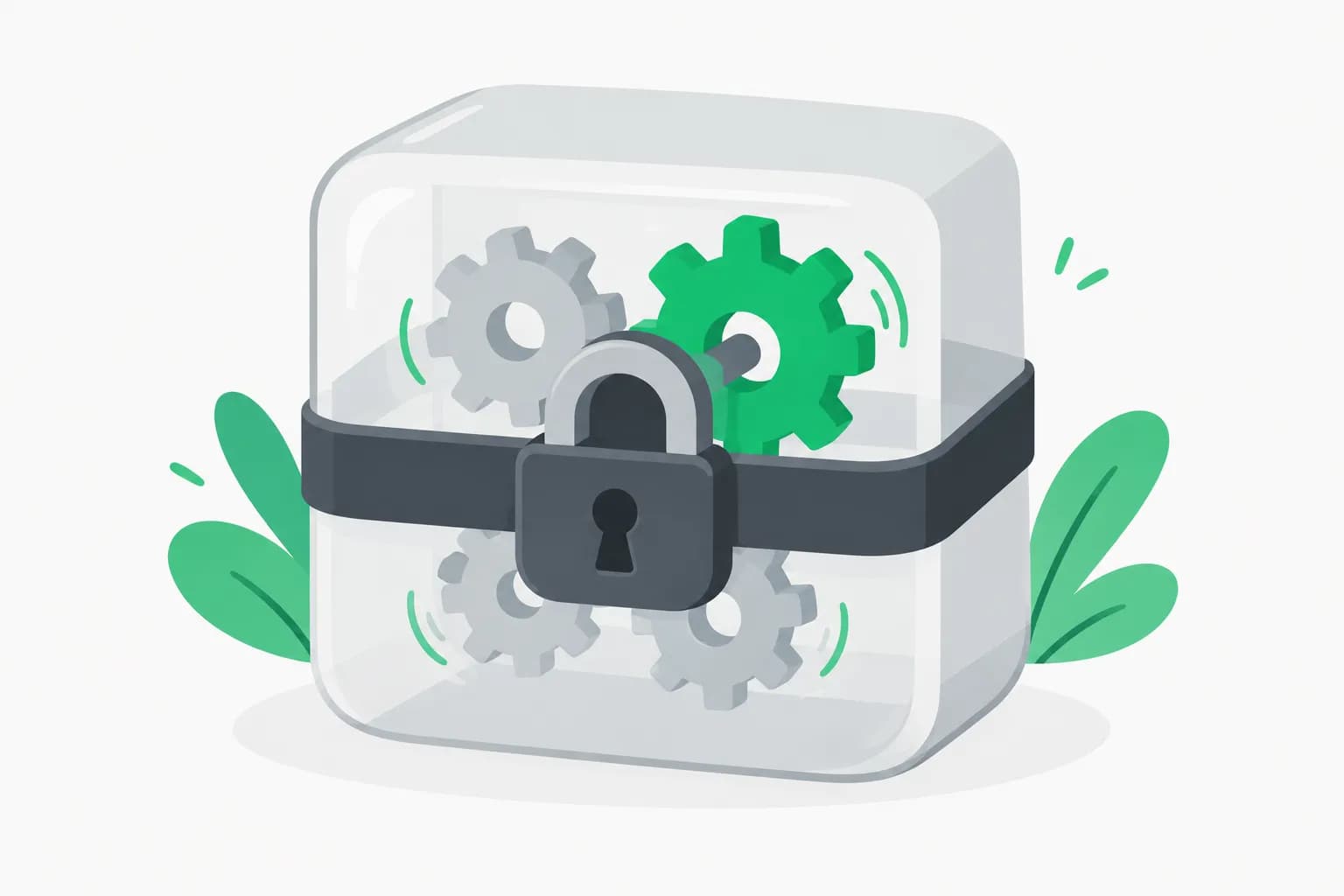
A site at letsencrypt.ai is asking the industry to treat private AI inference as a default, not a premium feature. Its position paper states a goal: protect AI chats with verifiable confidential computing on most AI GPUs by the end of 2027. The name collides with the famous Let's Encrypt certificate authority, and the project says plainly it is independent of that organization.
For builders, the document is a checklist: remote attestation, inspectable workloads, user-controlled fallbacks, and named vendors you can test this week — not a shipped protocol.
TL;DR
| Topic | What the paper says |
|---|---|
| Core claim | Prompts and answers should stay inside attested CPU/GPU paths customers can verify |
| Not included | It is not a new TLS CA; ISRG's Let's Encrypt is unrelated |
| 2027 target | Most AI GPU-served chats run with verifiable confidential execution |
| Builder hooks | NVIDIA docs plus attestation SDK; Google Confidential Space cited as pattern |
| Listed services | NY Token Exchange, TrustedRouter, Maple, Privatemode, Tinfoil, NEAR AI Private TEE |
| Lab ask | Extend Anthropic-style confidential inference research into customer-verifiable products |
| HN reaction | Developers criticized the brand overlap with Let's Encrypt (see below) |
What problem it claims to solve
The paper opens with a labor argument: prompts can hold business plans, medical questions, or proprietary code. Paying for inference should not, by default, hand a free copy to trainers. It wants encryption and attestation through the whole route — client, network, CPU, GPU, and back — not only TLS to the API edge.
That connects to work we already track. Brave Leo's end-to-end encrypted chat combines OHTTP and TEE hosting. ChatGPT Locked Chats adds device PIN gating but is not the same as hardware attestation. Encrypted chain-of-thought APIs showed how partial encryption still leaks metadata. letsencrypt.ai is pushing customer-verifiable execution, not only transport encryption.
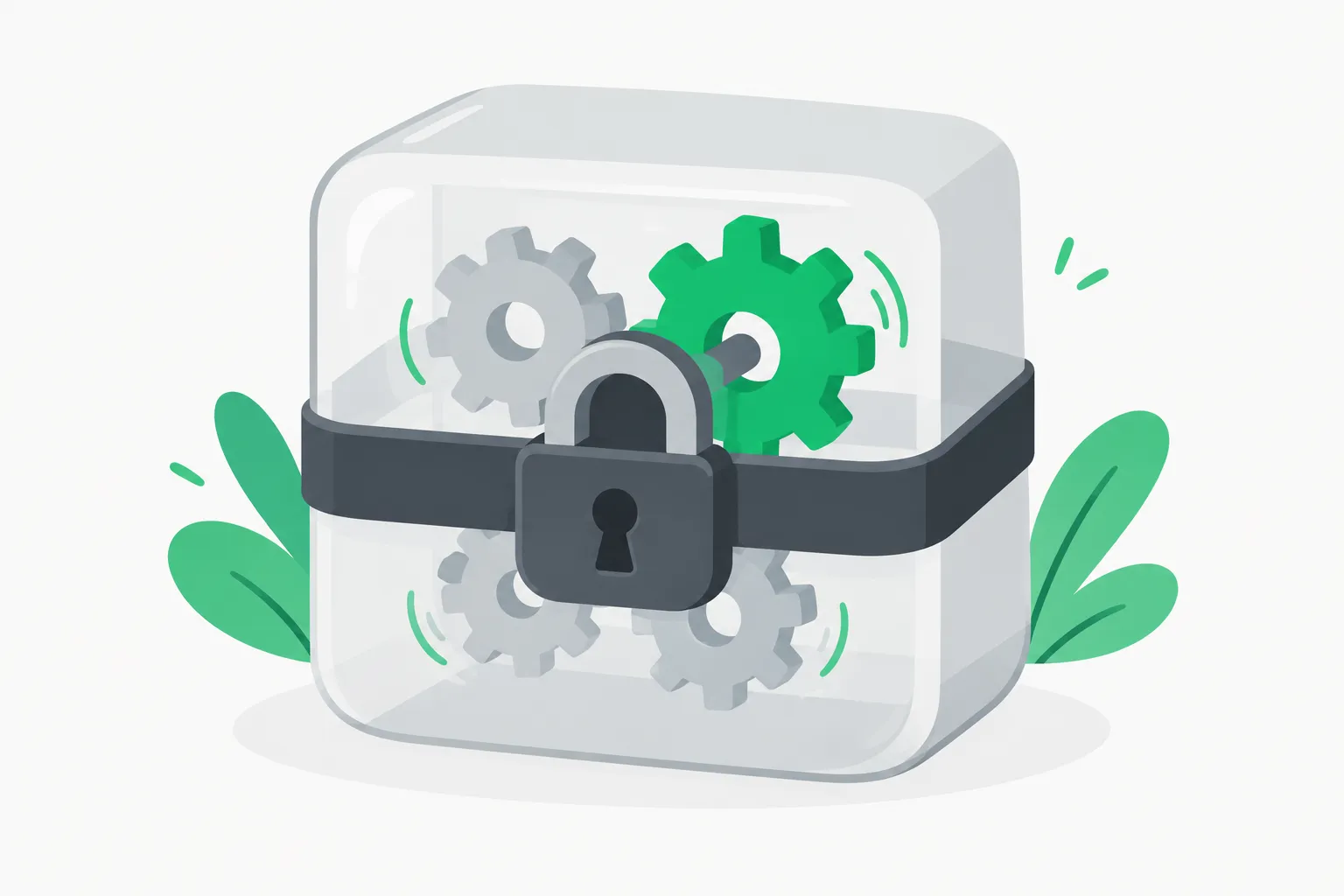 Homomorphic encrypted box metaphor for isolating AI prompts inside a locked execution environment
Four design principles in the paper
The site lists four requirements for a serious confidential route:
- Protect the whole route — prompts, completions, caches, and transfers stay inside an attested path.
- Make software inspectable — publish security-critical source, build measurements, and verification tooling; bind TLS to approved workload hashes.
- Keep content under user control — reviewed code must enforce logging and reuse policy; a TEE alone cannot stop a malicious app from exfiltrating if policy code allows it.
- Make verification a condition of service — fail closed when attestation does not match policy; expose every fallback and external tool to the customer.
It also warns that a confidential gateway is only one hop. Compromised clients, buggy enclave software, and operator-visible metadata still matter. That honesty matters for threat modeling.
Cyber defense beyond chat
A second chapter frames confidential computing as broader hardening: disable SSH on production agents, boot immutable images, verify before releasing keys, and isolate workloads with hardware-backed memory. The paper cites Google's Confidential Space as a production pattern where attestation meets minimal attack surface.
For teams running coding agents on GPUs, the overlap is operational: the same attestation story that protects chat can protect model weights and customer data during fine-tuning jobs, if the stack supports it and you enforce policy in code.
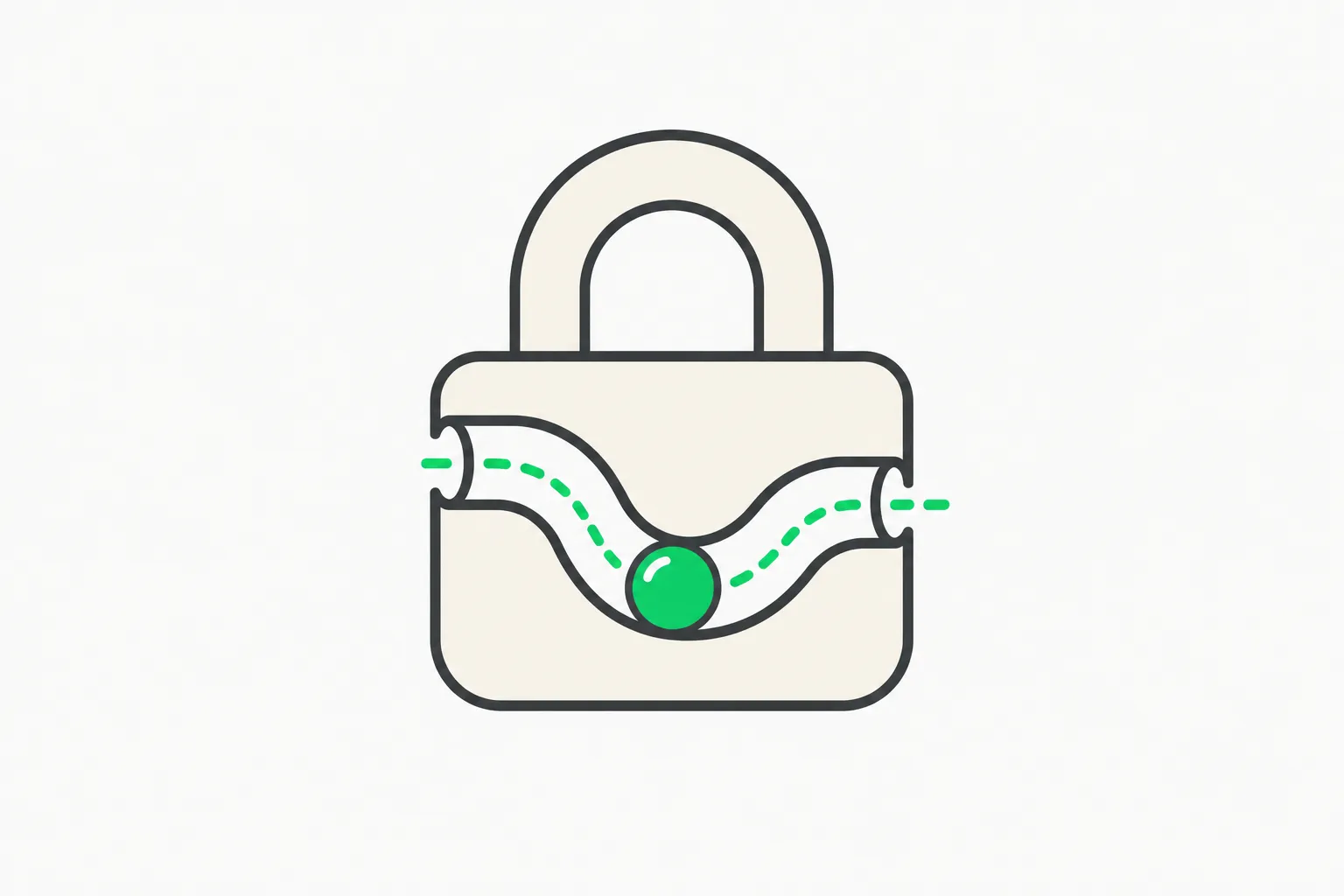 Encrypted inference path where user data passes through a lock-shaped trusted execution tunnel
NVIDIA and the build-it-yourself path
The paper points to NVIDIA's confidential computing overview and its attestation SDK as the hardware-facing path. It states plainly that rolling your own needs supported hardware, licenses, enforced policies, and reviewed workloads — attestation does not automatically hide weights from the service operator unless the architecture guarantees it.
If you are sizing on-prem or colo GPU racks, this sits next to our reporting on NVKE and bare-metal GPU management and data-center power fights on the PJM grid: privacy and power are both becoming procurement questions.
Open models as market leverage
The paper argues open-weight models plus verified confidential hosts can create buyer demand that forces frontier labs to match. It names a ladder: optional private routes today, expectation tomorrow, default later. Anthropic's confidential inference research is cited as early work that should become a customer-attested product with published specs and redaction rules regulators can review.
That is aspirational. Anthropic itself describes limits: provider physical security and partial API coverage remain gaps in the research framing the site quotes.
Services listed for evaluation
The paper maintains a living list — NY Token Exchange, TrustedRouter, Maple, Privatemode, Tinfoil, and NEAR AI private TEE routes — with a note that inclusion means "go evaluate," not "we certified this stack." Builders should trace each vendor's attestation flow, retention policy, and which model weights stay encrypted in flight.
What developers are saying
The story hit Hacker News on November 7, 2026 with a small thread and sharp naming criticism.
- jontro (comment) noted the project is unrelated to ISRG's Let's Encrypt and called reusing the name "weird."
- NitpickLawyer (comment) said the site has "absolutely no connection" to the certificate authority and called it "vibe-coded bs," urging buyers to verify claims themselves.
- zemoerfi (comment) called it "capitalizing on someone else's good name" to promote a position paper.
- reaperhulk (comment) called the naming choice "profoundly bad."
Those reactions do not disprove confidential computing; they warn buyers to verify who authored letsencrypt.ai and not to confuse it with free TLS certificates. The primary source remains the paper on letsencrypt.ai, not the HN debate.
Training, logging, and what TEEs do not fix
The paper's privacy story is mostly about inference, not about whether a lab may later train on stored logs. It argues that using customer content for training should require permission, clear terms, and compensation, and that private work should stay out of the training pipeline unless the user opts in.
That distinction matters for developers who paste proprietary code into assistants. A verified enclave can keep a single request off the host operator's disk during processing, but it cannot fix:
- Corporate SSO assistants that still index documents for retrieval unless you disable it.
- Agent tool calls that post customer data to third-party APIs the user approved once.
- Support and abuse-review queues where humans read flagged sessions under the vendor's policy.
If your compliance team asks "is this end-to-end encrypted AI?", the honest answer requires tracing model route, logging code, retention schedule, and subprocessors — attestation receipts are one line item, not the whole form.
Questions teams ask in security review
| Question | What to verify |
|---|---|
| Who can read prompts at rest? | Encryption keys, retention days, and whether the operator holds a master key |
| What does attestation prove? | Hardware generation, firmware versions, and workload hash — not "no logging anywhere" |
| Can the model call external tools? | Each tool is a new data path outside the enclave unless proxied |
| What happens on attestation failure? | The paper wants hard stops; confirm the SDK or API actually refuses the session |
| Open vs closed weights | Open weights on confidential hardware still leave weights visible to the host unless encrypted inference covers weights too |
How to try this without hype
- Pick one listed confidential host and run a non-production workload with attestation verification enabled; compare latency, cost, and evidence artifacts.
- Read each vendor's retention and training terms — TEEs do not replace policy.
- If you operate agents, combine attestation with permission scoping; privacy at inference does not stop a tool-equipped agent from exfiltrating via an allowed API.
- Watch federal procurement: if DC buyers start requiring attestation receipts, the paper's 2027 goal becomes a bid requirement, not a slogan.
Why the title fight matters for open source
Let's Encrypt the CA succeeded because developers knew exactly what problem it solved: free TLS for the whole web. letsencrypt.ai borrows that goodwill before it has shipped a standard, a test suite, or an oversight board. Until the authors publish governance, trademark distance from ISRG, and measurable progress metrics, enterprises should treat the site as advocacy plus a vendor directory, not as infrastructure you can pin in a Dockerfile the way you pin certbot.
None of that reduces the underlying technical point. Confidential GPUs are real, NVIDIA documents them, and multiple startups already sell private chat. The paper's 2027 goal is best read as a buyer's union manifesto: move one workload, publish the attestation gap you found, and make the next RFP ask for evidence.
Limits and open questions
The 2027 target is explicitly a goal, not a measured adoption statistic. The paper asks for a published definition of "protected chats," a GPU inventory, and proof that conversations never leave attested paths — none of which exists as a single audited metric yet.
Nor does the site solve naming. Until the authors rebrand or ISRG comments publicly, expect continued confusion in support forums.
Related on explainx.ai
- Brave Leo encrypted AI chat architecture
- ChatGPT Locked Chats limits
- Encrypted chain-of-thought leakage risks
- Google Voltus virtual power plant on PJM
- NVIDIA NVKE GPU management preview
- Andy Hall on auditing agent logs at scale
Vendor lists and NVIDIA documentation reflect sources read November 7, 2026.