




Every major consumer AI lab now sells the same new thing: an agent that lives on its own computer in the cloud, keeps working when you close the app, and messages you when it needs you. Meta launched Muse on September 8, 2026. OpenAI launched Dots at DevDay on September 29. SpaceXAI's Grok Bot has been in the market since the summer. And on October 21, Anthropic opened a research preview of Claude Duet.
They look alike on a launch page. They differ a lot in who can get them, what they cost, where you talk to them, what they will do without asking, and how they protect your accounts. This comparison lays that out, adds two open-source agents you can run yourself, and ends with a simple picker. For our earlier five-way comparison before Duet existed, see Dots vs Grok Bot vs Muse vs OpenClaw vs Hermes.
The four hosted agents side by side
| Question | Claude Duet | OpenAI Dots | Meta Muse | Grok Bot |
|---|---|---|---|---|
| Maker | Anthropic | OpenAI | Meta | SpaceXAI |
| Launched | Oct 21, 2026 (research preview) | Sep 29, 2026 | Sep 8, 2026 | Summer 2026 (beta, then wider) |
| Model | Claude Opus 5.5 | GPT-6 Astra | Muse Spark 1.3 (Muse Wonder on paid plans) | SpaceXAI and Cursor models |
| Where it works | Its own VM with a browser | Its own cloud computer and browser | Per-user Secure VM | A Linux VM per member |
| Price to start | Included in Claude Pro and Max | First dot included in ChatGPT Pro and Business Premium | Free to 100M tokens/week; $20 and $100 plans | Bundled in SuperGrok and Cursor plans |
| Usage counting | Shares Claude limits, including background checks | Chatting with a dot does not count; tasks it starts in Codex or ChatGPT Work do | Token allowance per tier | Plan-based |
| Who can get it | US Pro/Max, waitlist; not Team/Enterprise yet | Pro and Business Premium in eligible markets; Pro excludes EEA, Switzerland, UK | US-first at launch | Widely available |
| Where you talk to it | Own iOS/Android app and claude.ai | ChatGPT, Slack, Teams; texting coming | iOS, Android, web, WhatsApp | Desktop, iPhone, integrations |
| Connectors | 6,000+ Claude Marketplace connectors and plugins | 4,000+ plugins | App and commerce connectors | Signs in to your tools |
| Background behavior | Morning brief; checks apps every few hours | "Proactive research," read-only | Works 24/7 after you close the app | Persistent agents |
| Approvals | Before sending, paying, signing, deleting | Background mode cannot send, edit or control the computer | Human approval on every checkout and data leaving the VM | Approvals vary by setup |
| Passwords | Never directly sees passwords or sign-in tokens | Saved without exposing them to the model | Separate credential store the agent cannot read | Signs in as you |
| Hard limits | No trading securities or moving money between accounts, even with approval | Monitoring can pause or stop a dot | Single-use virtual cards for new merchants | Not published |
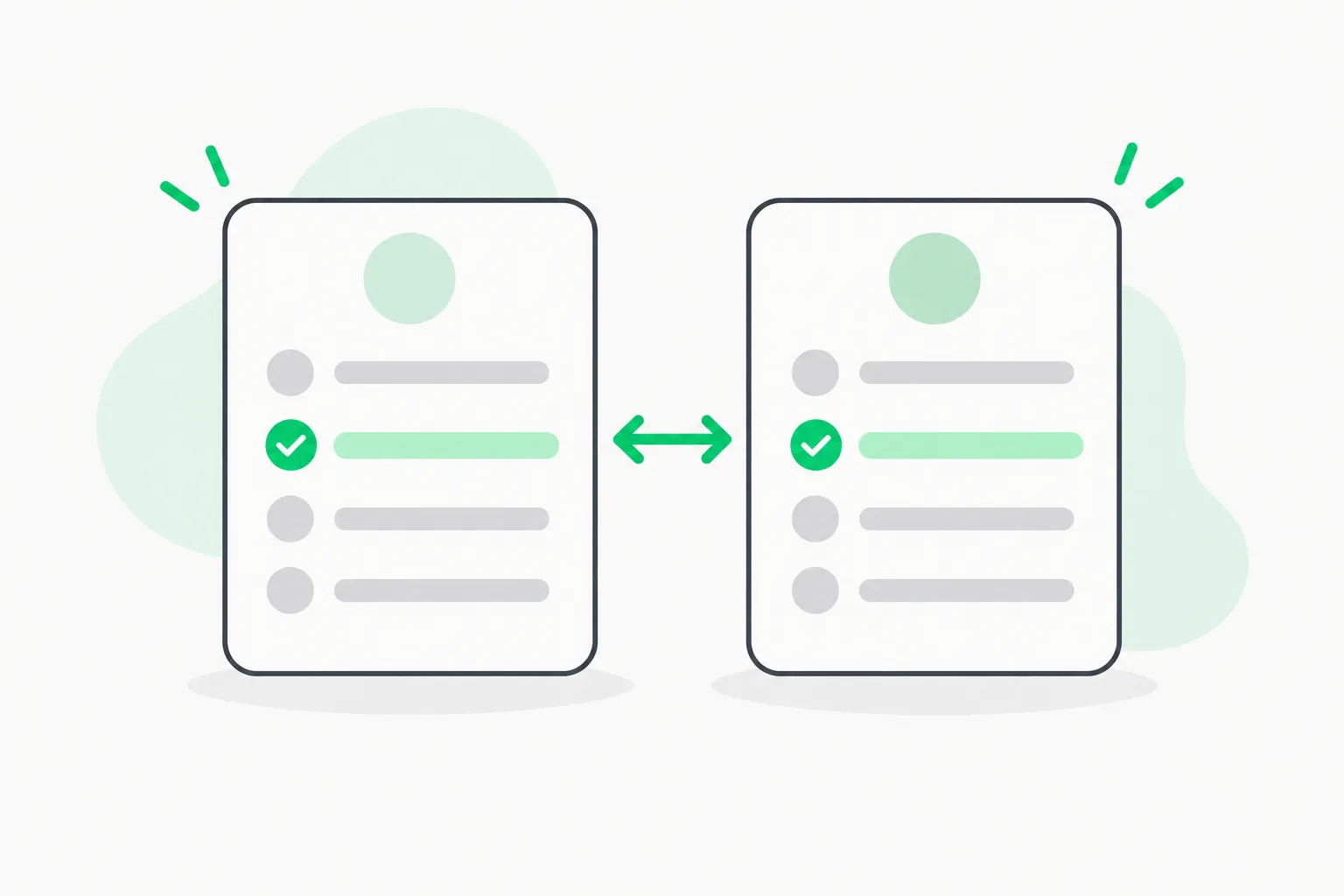 Comparing Claude Duet, OpenAI Dots, Meta Muse and Grok Bot side by side
Price: what you actually pay
| Agent | What you pay | The catch |
|---|---|---|
| Claude Duet | Included in Pro ($20/month) and Max | Background checks and big tasks eat the same limits as Claude Code and chat |
| OpenAI Dots | First dot included with ChatGPT Pro or Business Premium (Engadget: Pro from $100/month) | Extra dots are not yet priced |
| Meta Muse | Free to 100M tokens/week; $20 and $100 plans | Paid tiers buy more agent usage, and Muse Wonder needs a paid plan |
| Grok Bot | Bundled with SuperGrok and Cursor plans | No standalone price |
For a $20 budget, Duet and Muse are the realistic options. Duet costs nothing extra if you already pay for Claude Pro, but if you already hit your limits with Claude Code, it will compete for the same budget.
What each one is built for
Claude Duet: work and small business. Anthropic aimed it squarely at "professionals and small business owners." The headline features are a morning brief, inbox and calendar triage, and business tasks: finding unpaid invoices in Stripe or QuickBooks, preparing Gusto payroll, sending contracts through Docusign, managing a Shopify store, and building decks, forecasts and dashboards. Anthropic admits personal errands such as booking tickets "aren't quite as strong" yet.
OpenAI Dots: teams and builders. Dots can be reached in Slack and Teams, can be launched from Codex, and OpenAI pitches teams of specialist dots with their own identities and tools. Its background "proactive research" is deliberately read-only. Example uses OpenAI gave lean technical: a dot that watches customer feedback and ships bug fixes, or one that reruns analysis as data arrives.
Meta Muse: consumers, free, on WhatsApp. Muse is the only one with a free tier and a WhatsApp channel, and Meta pitched it for everyday tasks like booking appointments and filling forms. It also has the most detailed published security design.
Grok Bot: SuperGrok and Cursor users. Grok Bot is bundled into SpaceXAI and Cursor plans and signs in to your tools as you. It is strongest if you already live in that ecosystem; see our Grok Bot use cases.
Safety: how each handles your accounts
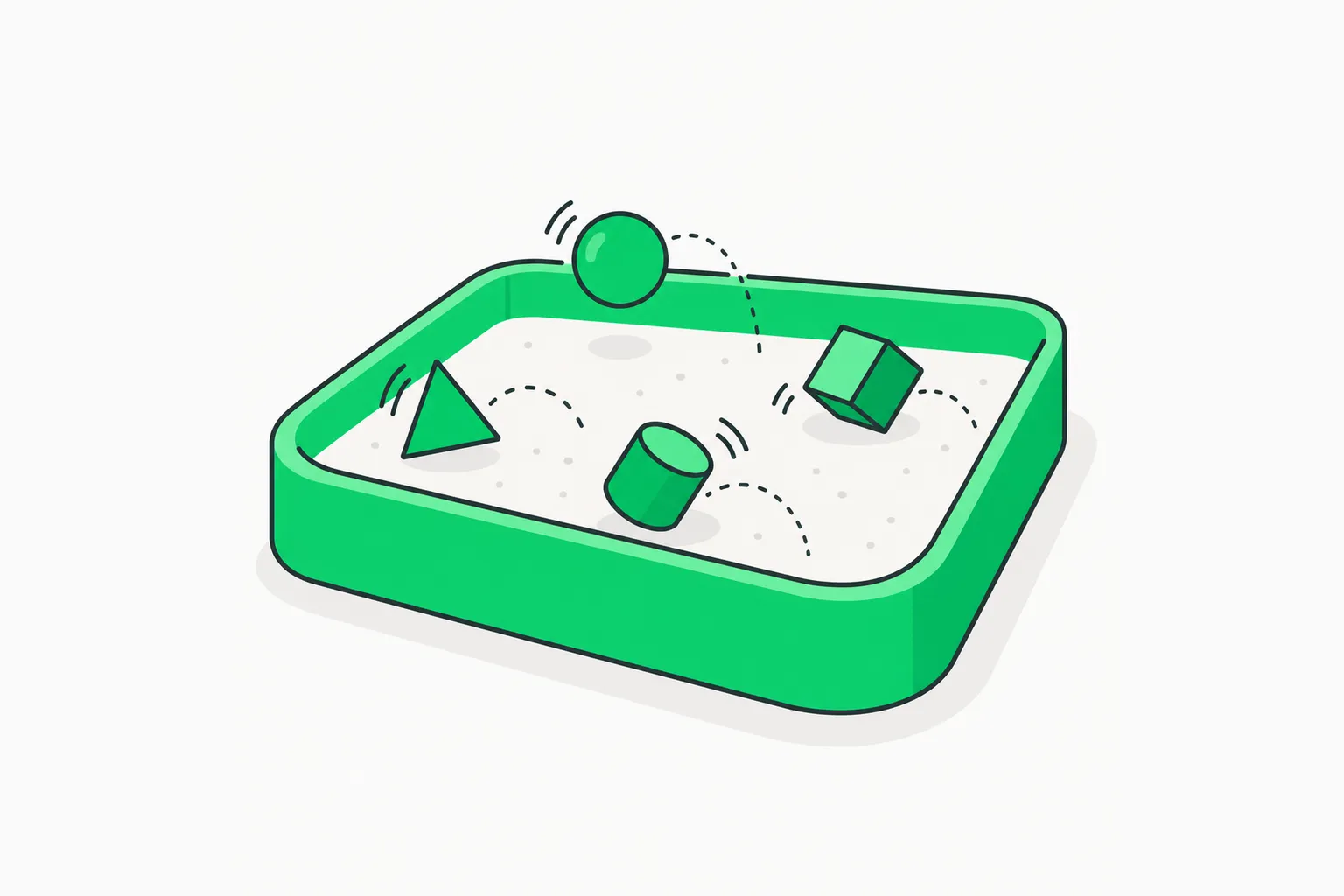 How Claude Duet, Dots, Muse and Grok Bot keep agents inside a sandbox
All four run in an isolated cloud machine, keep raw passwords away from the model, and ask before purchases. The differences are in the details:
- Claude Duet: credentials handled like Claude Managed Agents, actions checked by Anthropic's auto mode classifier, a new classifier that blocks sharing card numbers and government IDs (health and finance details only on explicit instruction), hard bans on trading and moving money, red-team and external pen testing, and a public bug bounty. Anthropic promised more safety detail "in the coming days."
- OpenAI Dots: passwords saved without exposing them to the model, read-only background research, a monitoring system that can pause or stop a dot, and work with Microsoft on Agent 365 controls.
- Meta Muse: the most documented design: a Sentinel process that is the sole authority for connector actions and network egress, a credential store the agent cannot read, approval for data leaving the VM, virtual cards via Stripe Link, and a bug bounty up to $300,000.
- Grok Bot: signs in as you, and SpaceXAI documents that separate bots should not be treated as a security boundary.
Track record so far
| Agent | What has gone wrong in public |
|---|---|
| Claude Duet | Too new. Anthropic warns it may misread threads or misjudge urgency |
| OpenAI Dots | Launch demo audio cut out; no major product incident reported in our coverage |
| Meta Muse | Shared a YouTuber's address with a Marketplace buyer after "Allow Always"; blocked by Amazon |
| Grok Bot | Early-beta reliability complaints; a disputed viral bank-balance post about permissions |
The pattern across all of them: the failures are rarely the model being dumb. They are the agent doing something the user technically allowed. Keep approvals on for sends and payments, and avoid "allow always" for anything that shares personal data.
The self-hosted alternatives
If you would rather own the computer and the memory, two open-source agents are worth knowing:
| OpenClaw | Hermes Agent | |
|---|---|---|
| License | MIT | MIT |
| Model | Any, including Claude, GPT and local models | Any, via OpenRouter, Nous Portal and others |
| Where it runs | Your machine or server | Your machine or server |
| Channels | 24+ chat channels | Telegram, Discord, Slack, WhatsApp, Signal, CLI |
| Cost | Software free; you pay tokens and hosting | Same |
| Trade-off | You own setup and security; nine CVEs disclosed in March 2026 (patched) | Tool approval on by default; shorter incident history |
Read is OpenClaw safe? before running it with real accounts.
Which one should you pick?
Try the picker, then read the rules below.
- You pay for Claude Pro or Max, live in the US and run a small business or a busy job: join the Claude Duet waitlist.
- Your team lives in Slack or Teams and you already pay for ChatGPT Pro: use Dots.
- You want free, or you live in WhatsApp: use Muse.
- You are already on SuperGrok or Cursor: try Grok Bot.
- You are outside the US or want full control: self-host OpenClaw or Hermes Agent.
- You handle sensitive client data: start with read-only tasks on any of them, keep approvals on, and connect only the apps you need.
Questions people are asking
Is Claude Duet just Claude Cowork in the cloud?
Not quite. Cowork works with you on your desktop. Duet works on its own computer when you are away, comes to you with a morning brief, and messages you only when something needs a decision. They share your memory, skills and connectors.
Can I run more than one?
Yes, but connect each one to different accounts or keep approvals strict. Two agents with access to the same inbox can both draft replies to the same email.
Which one is best for coding?
None of these is a coding tool first. For code, use Claude Code, Codex or Cursor. Dots is the closest, since it can launch Codex tasks.
Honest limitations of this comparison
Duet is one day old and waitlisted, so this is based on Anthropic's announcement, product page and press coverage, not long-term use. Prices and availability are changing month to month. Grok Bot and Muse details come from our earlier coverage and may have moved since.
If you want to build an agent like these yourself, with approvals, memory and connectors, our live workshops walk through it.
Related reading on explainx.ai
- Claude Duet explained: Anthropic's proactive agent
- OpenAI Dots: always-on agents from DevDay
- Meta Muse launch and Sentinel VM security
- Is Meta Muse safe?
- SpaceXAI Grok Bot: persistent AI agents
- Dots vs Grok Bot vs Muse vs OpenClaw vs Hermes
- OpenAI's CFO on Dots and Muse
Sources: Anthropic: Introducing Claude Duet · Claude Duet product page · Engadget · TechCrunch on Dots · CNBC on Meta's agents
Plans, prices and availability are accurate as of October 22, 2026, and change often. Check each provider before you subscribe.