




OpenRouter said on November 23, 2026 that its users spent more money on Google models than on OpenAI models during the prior week, with Gemini 4 Neon and Carbon launches helping push Google past the 50% spend mark on the router. The post on X is a marketplace snapshot, not audited industry revenue—but for teams that route production traffic through OpenRouter, it is one of the fastest public signals of which frontier lab is winning paid trials this month.
TL;DR
| Question | Answer |
|---|---|
| Who said it? | OpenRouter on November 23, 2026 |
| What changed? | Google model spend on OpenRouter exceeded OpenAI for one week |
| Why now? | OpenRouter credits Gemini 4 Neon and Carbon launches |
| What it is not | Total enterprise API market share or consumer ChatGPT revenue |
| What to do | Re-benchmark your tasks; keep multi-provider fallbacks |
What OpenRouter actually posted
OpenRouter's November 23 post states:
- "OpenRouter users spent more $ on models from Google than OpenAI last week."
- "Multiple well-received launches, including Gemini 4 Neon and Carbon, helped push Google over the 50% mark."
The router did not attach dollar totals, model-by-model tables, or a methodology footnote in the same post. Treat the message as first-party marketplace telemetry shared for marketing and community awareness, the same channel OpenRouter uses for leaderboard updates and Hugging Face routing news.
Logan Kilpatrick (Google) replied "nice" on the thread. Independent replies questioned whether Gemini spend could exceed GPT 5.6 Sol on the same router—highlighting that social reactions are not verification. Our post sticks to what OpenRouter claimed and how builders should use it.
How this compares to Menlo's "Google 9%" enterprise figure
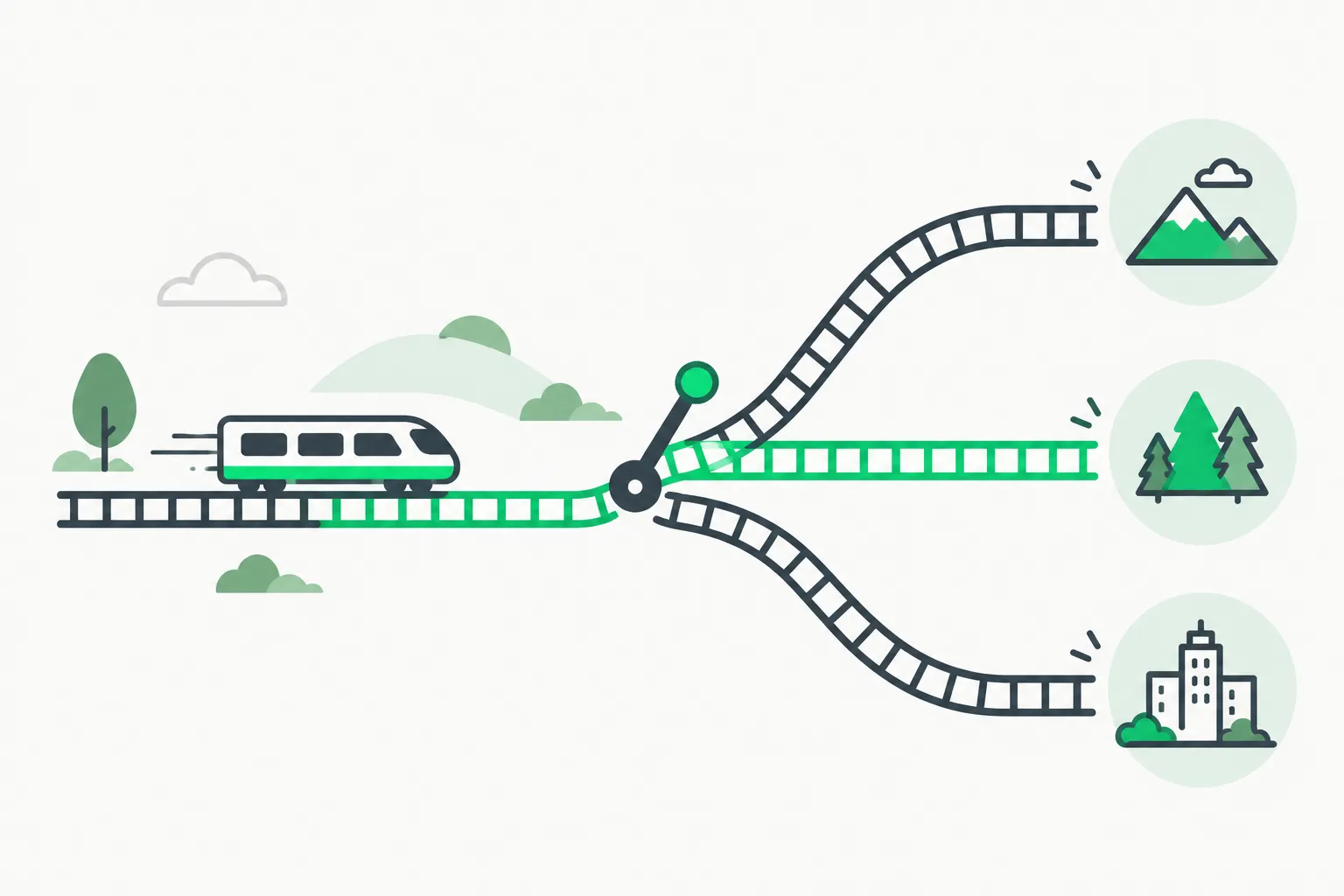 Model routing switchboard metaphor for picking Google vs OpenAI endpoints on a gateway
In early November, Menlo Ventures estimated Google at 9% of enterprise LLM API spend, down from 21%, while Anthropic rose to 55% and OpenAI to 31%. That survey describes budget owners and annual allocation, not developer card spend on a router for seven days.
| Source | Population | Window | Google signal |
|---|---|---|---|
| Menlo Ventures 2026 report | ~400 U.S. enterprise decision-makers | Multi-quarter budget cycles | 9% API spend share |
| OpenRouter Nov 23 post | OpenRouter billing users | One week | Over 50% of spend on Google models |
Both can be true at once:
- Enterprises may still wire Copilot, Claude Enterprise, and direct OpenAI contracts that never touch OpenRouter.
- Builders experimenting with Gemini 4 on OpenRouter can swing weekly spend faster than procurement committees update vendor mix.
If you run finance dashboards, do not replace Menlo-style budget share with a tweet. If you run engineering, do treat OpenRouter's week as a routing weather report.
Why weekly spend mix moves before surveys do
OpenRouter's audience over-indexes on developers who:
- Swap models with one API key and environment variables.
- Chase new launches within hours of provider listings.
- Route agents that burn tokens continuously—Menlo cited agents at 80% of OpenRouter tokens in its report.
When Google ships Neon and Carbon with strong price-performance on coding or multimodal tasks, spend share can flip before Gartner or Menlo refresh enterprise questionnaires. That is why explainx.ai covers router stats alongside Vercel AI Gateway token share and Hands-on Gemini vs Claude posts: they are complementary thermometers, not duplicates.
What developers are saying on Hacker News
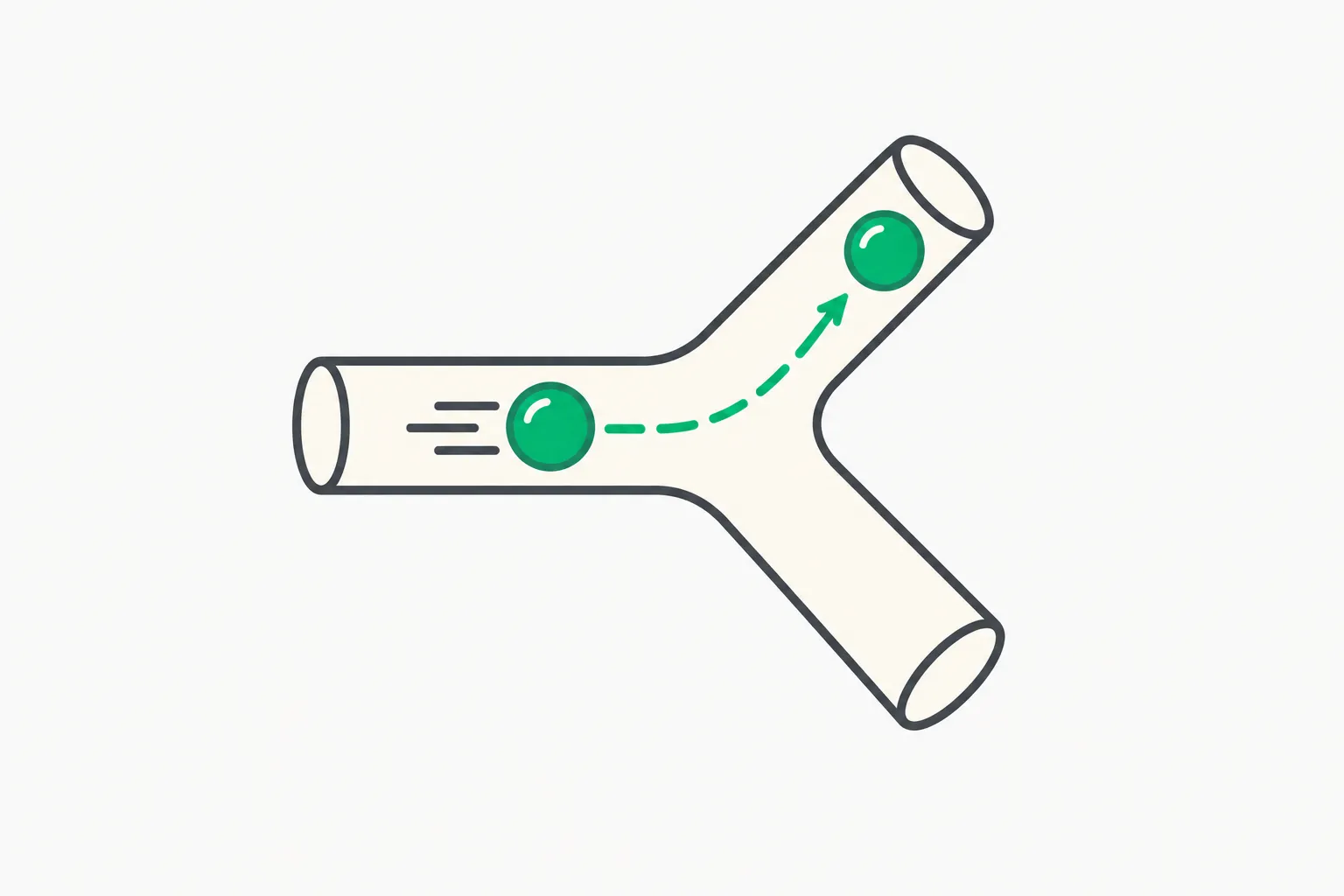 Inference routing junction illustrating how developer traffic splits across LLM providers on a marketplace
The HN thread tied to OpenRouter's announcement is thin (six points, two comments as of this writing). reddmachine reported that Gemini 4 Neon is their pick for writing right now and argued most frontier models they try write better than Claude—an opinion, not spend data. We note it because builder sentiment and billing share often diverge: a model can be popular in chat while another wins batch jobs.
When HN gains more hands-on spend logs, we can UPDATE this page. For now, rely on OpenRouter's billing claim plus your own account analytics.
What this means for model routing in production
Re-benchmark, do not panic-switch
A one-week Google lead on OpenRouter does not prove Gemini wins your retrieval stack or your compliance review. Run the same eval harness you used for OpenRouter benchmarking guidance (OpenRouter published Ori Eval and benchmark how-tos in 2026) on:
- Long-context summarization
- Tool-calling agents
- Vision or PDF flows if you use Carbon-class models
Keep OpenAI and Anthropic routes enabled. OpenRouter's product promise is fallback when a provider rate-limits or prices shift—see OpenRouter vs direct provider APIs for when to keep a fallback route during launch weeks.
Watch price per task, not brand share
Spend share rises when list price, promotions, and quality align. Google's Decisions API and Search Personal Intelligence show Google pushing Gemini into product surfaces, while OpenRouter captures API experimenters.
Compare cost per successful task using OpenRouter's per-model pricing page and your logged token counts. A model can take more spend because it is cheaper per million tokens but needs more retries.
Stripe ownership and neutrality
Stripe said in August 2026 that OpenRouter would join as its largest acquisition, framing an "intelligence pipeline" beside payments. Builders asked whether routing neutrality would hold. This Google spend milestone is a useful check-in: OpenRouter still publicly celebrates non-Stripe-affiliated labs when their models win wallet share.
No filing in this story changes API keys or pricing. Continue monitoring OpenRouter's blog for data-processing incident posts—they ran a November 22 piece on provider data policies that matters more for compliance than weekly spend bragging rights.
How OpenRouter fits next to direct Google and OpenAI APIs
Many teams run hybrid routing:
| Pattern | When it fits |
|---|---|
| Direct Vertex or OpenAI | You need enterprise DPAs, reserved capacity, or single-vendor procurement |
| OpenRouter | You want one key, model fallbacks, and fast A/B tests |
| Hugging Face Inference + OpenRouter | You mix open weights and frontier APIs on one bill, per November HF integration |
If Google spend is rising on OpenRouter, Vertex-native teams should still compare latency, region pinning, and support SLAs before moving production off direct Google contracts.
Search and planning questions this week raises
Teams searching "OpenRouter Google OpenAI spend" usually want one of three answers:
- Should we default new apps to Gemini on OpenRouter? Only after your eval passes on quality, safety, and cost.
- Is OpenAI losing developers? Not provable from one week; watch multiple routers and direct API growth.
- Will prices change? Launch weeks often include temporary promos. Read provider changelogs, not just social posts.
What to watch next
- OpenRouter follow-up posts with model-level tables, if they publish them.
- Google launch notes for Neon and Carbon on Google AI releases and Gemini roadmap posts.
- Menlo or a16z 2027 surveys—see whether enterprise 9% converges with developer router share.
We will UPDATE if OpenRouter releases auditable metrics or if Google or OpenAI comment in investor filings.
Practical checklist for engineering leads
Before you change defaults in .env files or CI eval pipelines, walk through this list:
- Export last 30 days of OpenRouter per-model spend if your org has a team workspace.
- Tag workloads: coding agents, batch summarization, customer support, and eval-only traffic behave differently; aggregate spend hides task-level winners.
- Log failure modes: a cheaper model that fails JSON schema twice as often can cost more than a pricier reliable model—mirror the verification tax theme in ChatGPT workplace studies.
- Document fallback: if Google throttles during launch surges, ensure OpenAI or Anthropic routes still pass health checks.
- Tell procurement: weekly router share is not the same slide as Menlo-style annual share—avoid surprise renegotiations based on one viral tweet.
Why Gemini launches move router share faster than enterprise surveys
Gemini 4 Neon and Carbon arrived into an ecosystem where developers already had OpenRouter keys and Hugging Face routing. No procurement committee had to meet for thousands of engineers to try a new endpoint over a weekend. That is structurally different from Menlo's sample of budget owners planning 2026 annual spend.
It also differs from Google's Decisions API rollout, which targets product teams embedding decision policies, not model shoppers on a marketplace leaderboard.
When you brief executives, show both charts: annual budget mix (slow, strategic) and weekly router mix (fast, tactical). Misreading one for the other causes bad capacity contracts.
Related reading
- Menlo Ventures enterprise API spend shares
- Hugging Face routes chat models through OpenRouter
- Stripe acquires OpenRouter context
- GPT-6.2 Astra vs Claude Fable hands-on
- Google Gemini Decisions API launch
- OpenRouter enterprise guide
Workshops if you are retuning model routes this week
If your team is re-evaluating Gemini vs OpenAI after router spend shifts, a structured workshop beats ad hoc prompt hacking. explainx.ai runs hands-on sessions on model routing, eval harnesses, and cost controls for teams that already use OpenRouter or direct APIs.
Spend mix claims are accurate to OpenRouter's November 23, 2026 post. Dollar totals were not published in that message.