



Update — September 28, 2026: Manus resumed independent operations earlier this month; 2.0 is the first major architecture release since that transition. For portability lessons from the Meta split, see Manus–Meta separation and data deadlines.
On September 28, 2026, @ManusAI posted "Introducing Manus 2.0" with a ~2:46 launch video (14.7K views in the first hours). Manus's official blog post frames 2.0 as architecture, products, and capabilities, not a version bump — and asks explicitly what the next generation of Manus should look like now that general agents are expected to deliver results, not only draft text.
TL;DR
| Layer | What shipped |
|---|---|
| Harness | Cascade — modular agent orchestration; Manus cites −23.2% tokens, −28.2% time, −32% cost in one tested config vs prior system |
| Desktop | Manus Studio (formerly the Manus desktop app) — docs, sheets, slides, code, Video Editor (timeline), Game Dev (playable + multiplayer) |
| Hosting | Cloud Computer — paid dedicated environment for 24/7 servers and automations |
| Workflows | Automations — triggers on email, ads, calendar, Slack, Notion, etc. (beyond scheduled tasks) |
| Mobile / agents | Cue (cue.im) — personal agents with email, phone, wallet, computer; group-chat delegation |
| Availability | Manus 2.0 on web, desktop, mobile; Cue on web/desktop/mobile, iOS after App Store review |
Cascade: harness design for mixed media projects
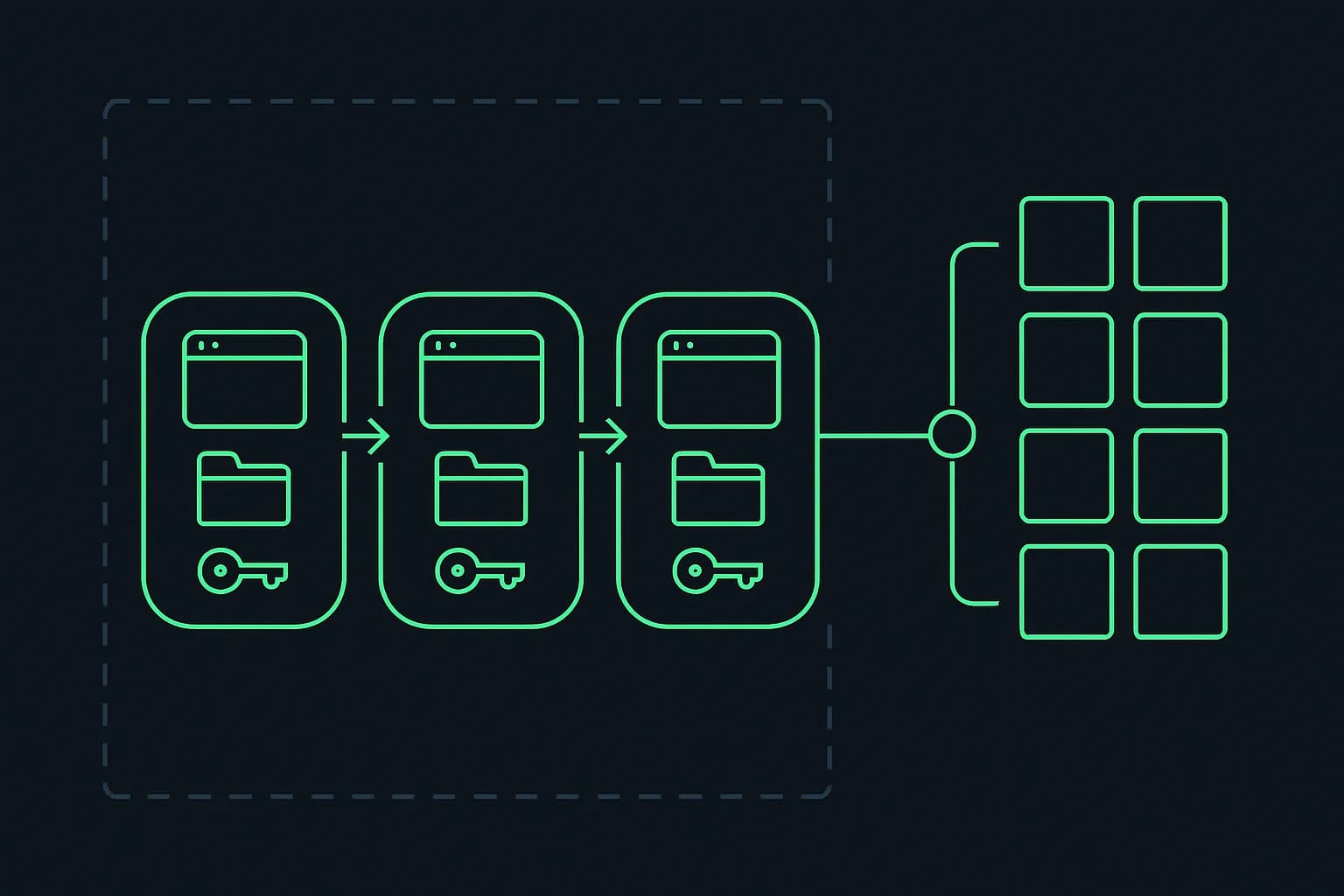
Manus positions Cascade as the in-house agent harness behind 2.0. The design goal is familiar from other advanced agent stacks: do not load every tool for every task. Cascade keeps a project light at the start, then attaches specialized capabilities when the work requires them — so a brief, landing page, video cut, and automation remain one connected project instead of four disconnected chats.
Manus published internal benchmark-style numbers for one configuration:
| Metric | Claim vs previous Manus system |
|---|---|
| Tokens | 23.2% fewer |
| Time to finish | 28.2% less |
| Run cost | 32% lower |
Treat those as vendor-reported until independent harness comparisons appear — but the direction matches what builders want from 2026 agents: less re-prompting, less tool spam, lower bill on long creative jobs.
Cloud Computer and Automations: from laptop-bound to always-on
Two features target projects that outlive your laptop lid:
Cloud Computer — Manus sells a dedicated environment for work that needs persistence: multiplayer game servers, always-on automations, or anything that must stay reachable when your MacBook sleeps.
Automations — Manus extends beyond scheduled tasks. In 2.0, workflows can start when something happens in a connected service — new email, ad performance shift, calendar event, Slack message, Notion update, and similar triggers. Manus says a single prompt can define what to watch and what to do next; the platform sets up and runs the workflow.
That pattern competes with Zapier-style orchestration and coding agents with cron, but keeps the natural-language setup Manus users expect. The trade-off is the same as any agent automation: over-broad triggers plus powerful tools increase blast radius if credentials are loose.
Manus Studio: timeline video and Game Dev with multiplayer
Manus renamed its desktop client Manus Studio — a shared workspace for humans and AI where Studio loads only the tools the project needs, avoiding the "every capability in every session" slowdown.
Highlights Manus emphasized:
Video Editor and Alchemy mode
Previously, tweaking one element in a generated video (swap the song, replace a product shot) could mean regenerating the entire asset. Studio exposes a timeline: clips, images, text, motion graphics, and audio as editable layers. You can hand edits back to Manus for another pass.
Alchemy mode puts Manus in a creative-director role, combining video and code generation. Manus claims stronger ideas, tighter visual control, smoother motion, and better pacing — aimed at 30–60s product ads, AI UGC, motion graphics, tutorials, and vlogs.
Early X feedback on the launch video (@ganimate) noted motion and frame design could still improve — useful context that 2.0 is a step change, not a finished film studio.
Game Dev and Cloud Computer multiplayer
Game Dev targets builders who want playable games, not only prototypes — combining video, image, and coding models. Max Ultra mode is Manus's quality tier for games that should look and feel production-grade.
The Edit panel supports live preview, asset management, code edits, and selective changes (Manus's example: change one villager's hair color without rerolling the world).
Multiplayer is where Manus routes through Cloud Computer: Configure → Multiplayer → Select Cloud Computer → purchase. Manus handles hosting/networking so friends can join via link — the same class of server-backed agent builds explainx.ai saw in Opus 5.5 browser game experiments, but packaged as a no-DevOps path inside Studio.
Remote Control and Computer Use
Manus also advertises Remote Control: voice requests from your phone while Manus operates a visible, authorized workspace on your desktop — find a deck in a launch folder, export PDF, test an app while you are away. That is computer use with explicit approval boundaries, parallel to other vendors' sandboxed desktop agents, and worth comparing to indirect prompt injection risk on live desktops.
Cue: personal agents as a second app
Cue (https://cue.im) is a standalone app, not a rename of Manus — "give it a cue, and it gets to work."
Manus's stated capabilities:
| Feature | Behavior |
|---|---|
| Agent identity | Each agent can have its own email, phone number, wallet, and computer within budgets you set |
| Calls | Agents can take calls and leave summaries in Cue |
| Team in group chat | Multiple agents in one chat delegate subtasks (venue research → shortlist → deck draft) while you retain final decisions |
| Local services | Example: scan a restaurant QR and let an agent order or hold your place in line |
Early access: Manus says Cue is free with an invite code. Launch blog published MEETCUE for the first 1,000 users; additional invite codes ship to each admitted user. iOS was coming soon after App Store review as of launch day.
Manus also pointed downloads to Manus Studio at manus.im and the blog at Introducing Manus 2.0.
How Manus 2.0 fits the post-Meta storyline
Manus's September arc matters for trust:
- Independent operations resumed — founding team intact, proactive agents roadmap.
- August data deadlines during the Meta unwind — backup and deletion guide.
- 2.0 — new harness (Cascade), paid Cloud Computer, and Cue agents with wallets and phone numbers.
That is a bet on consumer-grade agent identity (Cue) and creator-grade tooling (Studio) under one brand — while Meta pushes Muse toward glasses and, separately, Meta Enterprise Platform for businesses. The stacks diverged.
For prompt engineers, Manus's leaked system patterns remain a reference in AI tool system prompt leaks; 2.0's Cascade may change tool-loading behavior even if the public prompt shape shifts.
What this means for builders
- Try Cascade-backed projects as single artifacts — if Manus's "one connected project" claim holds, it is closer to how Opus 5.5 whole-task prompting asks you to hand over finish lines instead of micro-steps.
- Budget Cloud Computer separately — multiplayer games and 24/7 automations are ongoing spend, not a one-shot token bill.
- Treat Cue wallets and phone numbers as secrets — same operational security as any agent with payments and outbound comms.
- Compare Studio's timeline editor to regenerate-only video workflows — editable timelines are the difference between iteration and slot-machine retries.
Honest limitations
- Performance numbers (23.2% / 28.2% / 32%) come from Manus's blog only — no independent harness benchmark linked on launch day.
- Pricing for Cloud Computer, Max Ultra, and Studio tiers was not broken out in the public blog post reviewed for this article.
- Cue identity features (phone, wallet) imply compliance and abuse surfaces Manus has not fully documented in the launch post.
Related on explainx.ai
- Manus resumes independent operations (September 2026)
- Manus–Meta separation: data deletion and backup
- Meta Enterprise Platform and Muse for business — same launch day, different agent stack
- What is indirect prompt injection for agents?
- Friendslop: Opus 5.5 multiplayer browser games — parallel "agent builds netcode" story
Primary sources: Manus — Introducing Manus 2.0, September 28, 2026; @ManusAI on X — launch video; Cue.
Manus 2.0 availability, Cue invite mechanics, and Cloud Computer pricing may change after September 28, 2026.