



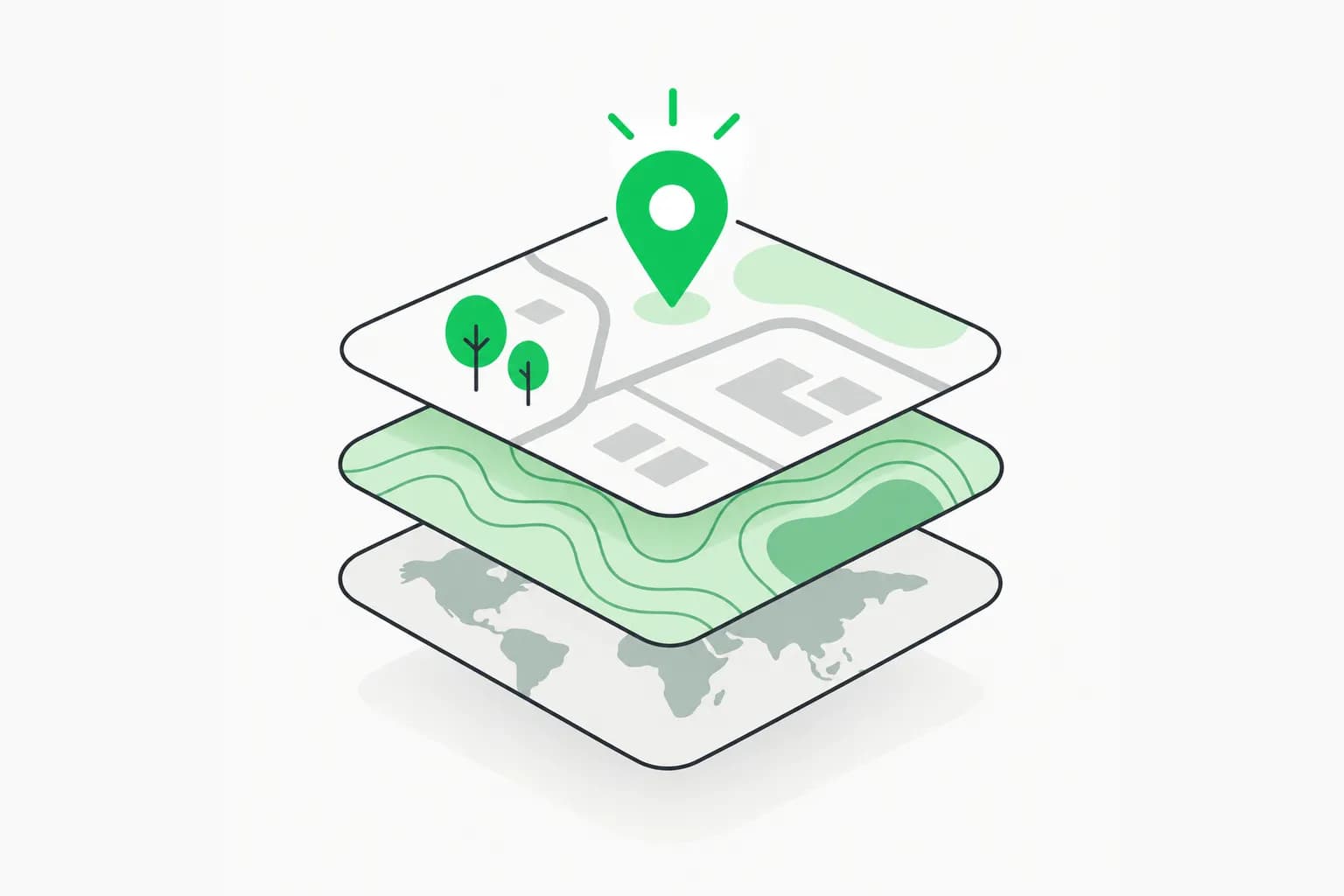
An AI company now says it can tell police which specific house or rental a single interior photo was taken in. According to a 404 Media investigation published October 12, 2026, Graylark Technologies has added interior geolocation to Raven, the product formerly called GeoSpy. It matches a photo to listing images of the same property, and the Los Angeles Police Department and the Miami-Dade Sheriff's Office have both bought access.
The capability is real enough to worry about and unproven enough that the numbers deserve scrutiny. This post separates what is documented, what is only the founder's claim, and what ordinary people can do about it.
Raven interior geolocation at a glance
| Question | Answer |
|---|---|
| Who makes it? | Graylark Technologies; product Raven, formerly GeoSpy |
| What is new? | A feature that identifies the specific property in an interior photo |
| What does it match against? | Listing photos on sites such as Airbnb, Vrbo and Zillow, and some hotels |
| Needs GPS or metadata? | No, only visual clues in the image |
| Who has bought it? | LAPD and the Miami-Dade Sheriff's Office, per 404 Media |
| How accurate is it? | Anecdotal: founder says "nine out of 10" Zillow test images returned the right city |
| Do the listing sites cooperate? | Airbnb says no relationship; Zillow says scraping violates its terms |
| Is it public? | Access was restricted to government and enterprise users after the 2025 stalking reports |
What Raven's new feature actually does
Per 404 Media, Raven finds distinctive features in a photo, such as a room layout, fixtures or a view, and matches them to other photos of the same property, even if those were taken at different times. It is described as not a reverse image search. A demo interface option is labeled "Find Property: Interior and exterior property geolocation", and the user picks a region to search. In demos reviewed by the outlet, results quoted the text of a Charlotte, North Carolina Airbnb listing and a Montecito, California Vrbo listing.
The practical effect is a jump in precision. Earlier versions of GeoSpy estimated a general location from visual cues like architecture, vegetation and the spacing of buildings. Matching to listing photos can in principle resolve a single address, because short-term rental and real-estate sites publish many interior images of the same place.
How it was built
404 Media reports that Graylark trained the model on millions of geotagged images from around the world, originally focused on outdoor markers such as architecture and soil. CEO Daniel Heinen said in a 2025 interview that the team did not train it for interiors; the ability surfaced in testing when a bathroom selfie was placed in San Francisco. Some deployments use city-specific models. Emails reviewed by the outlet showed the Miami-Dade Sheriff's Office had a model trained for its county.
The pattern is a familiar one: a general vision model trained on huge image sets picks up skills nobody designed. We saw a milder public version of this when AI agents were tested on GeoGuessr-style visual geolocation.
Who is using it, and to what effect
404 Media reports that LAPD and Miami-Dade have bought access. Heinen says it can help investigators in trafficking and exploitation cases, a use that would be hard to dismiss if it worked reliably.
The sheriff's office was notably cautious. It told the outlet that its use has been "limited and largely exploratory" and that no case outcomes were driven primarily by the tool, with no significant breakthroughs or arrests so far. That is the strongest independent data point in the story, and it is a sober one.
What is claimed versus what is verified
 Dome surveillance camera with a green indicator, illustrating police use of Raven AI geolocation tools
Verified by documents or on-record statements, per 404 Media:
- LAPD and Miami-Dade bought access to the product line.
- Airbnb and Zillow say they have no arrangement with Graylark and prohibit scraping.
- Public access was cut in 2025 after reports that users on the company's Discord asked for help stalking women.
Claimed, not independently verified:
- Heinen's "nine out of 10" figure for returning the correct city on Zillow images. City-level success is a far weaker result than finding a specific house.
- That demos are representative. The outlet notes it is unclear whether they show typical speed or accuracy.
- That the feature will extend to hotels, rentals, houses and apartments across the U.S. Heinen says the company is investing heavily, which is intent, not a shipped capability.
Unknown: how often it is wrong, what the false-match rate is for homes that look alike, and whether police are required to corroborate its output before acting on it.
Why this matters beyond police use
Geolocation from photos is dual-use. The same capability that might help locate a trafficking victim also lets someone find where a person lives from a post. 404 Media's January 2025 reporting described GeoSpy as a tool "cops or stalkers" could use, and said some members of the public asked for help stalking specific women before access was limited.
Interior matching changes the threat model in a specific way. Most privacy advice focuses on removing location tags and avoiding recognizable landmarks outside. Raven's pitch is that it needs neither. A photo of a living room with a distinctive window and a bathroom with unique tile could connect to a listing the same person once browsed or stayed in.
It also adds to a wider pattern of AI-assisted surveillance in the news this month, including backlash around Flock Safety's staff cuts and camera business and Anthropic's usage policy bans on weapons and surveillance uses.
The platform angle
Listing sites are the dataset. Airbnb says it excludes location metadata, offers approximate locations and shares addresses only after booking. That policy protects the address field, but not the photos themselves, which hosts upload so guests can see the space. If a third party can match a private photo to those public images, the approximate-location protection is bypassed by the pictures. Zillow says scraping violates its terms and it pursues legal action when necessary; Vrbo did not respond to the outlet's requests. Whether any platform can stop matching done at scale, short of removing photos, is an open question.
How to protect yourself
 Rounded square with faint grid and a green corner bracket, representing automated image matching in Raven interior geolocation
None of these is foolproof, and the tool's real accuracy is unknown, but they lower the odds:
- Do not post distinctive interior shots of where you live. Views from windows, unusual tile, built-ins and artwork are the matching clues.
- Delay posting from rentals and hotels until you have left, and avoid sharing the listing link next to the photos.
- Metadata stripping is not enough. The tool reportedly needs none.
- Be careful with photos of other people's homes, especially of someone who has asked not to be found.
- If you are at risk of stalking, treat any recognizable room as identifying and talk to a victim-advocacy organization about safe sharing.
- If you run AI agents that browse or post photos for you, limit what they can publish. Tools like AgentBeam, from the explainx.ai team, stop AI agents before they take dangerous actions, which includes uploading sensitive images.
Questions people are asking
Is this legal? The articles describe purchases by public agencies and no court ruling on the tool itself. Legality of using a matched location as a lead will vary with jurisdiction and case; nothing in the reporting says a warrant is required or not.
Can I opt my home out? There is no opt-out described. Removing or limiting your own listing photos is the only lever for a property you control.
Is it the same as a reverse image search? No, per the report. It matches features across different photos of the same place rather than finding an identical image.
Is it available to the public? The current site reportedly limits Raven to qualified law enforcement, enterprise and government users. 404 Media notes that this followed its 2025 reporting on stalking requests.
Funding and the people behind it
Heinen said in a September 2026 post on X that Alexandr Wang, now head of AI at Meta, was an angel investor in Graylark. Wang did not respond to a request for comment, per 404 Media. We note this as reported context, not as a statement about Meta's involvement.
What to watch next
Three things will tell us how serious this is: independent accuracy testing of the property-matching feature, any platform response beyond statements (technical countermeasures or legal action), and whether lawmakers or agencies set rules for AI geolocation as an investigative method. Our earlier coverage of AI-assisted policing errors, like the false homicide tip in Philadelphia, shows why outputs from AI tools should be treated as leads that need corroboration, not evidence.
Related reading
- Flock Safety cuts 18% of staff amid surveillance backlash
- AI plays GeoGuessr: visual geolocation with Browser Use
- Anthropic's 2026 usage policy
- AI model false homicide tip sent to Philadelphia police
- China digital human ID cards: claimed vs. verified
Sources: 404 Media on Raven interior geolocation and 404 Media's earlier GeoSpy report.
Details reflect reporting as of October 13, 2026. Graylark's capabilities and access policy may change.