



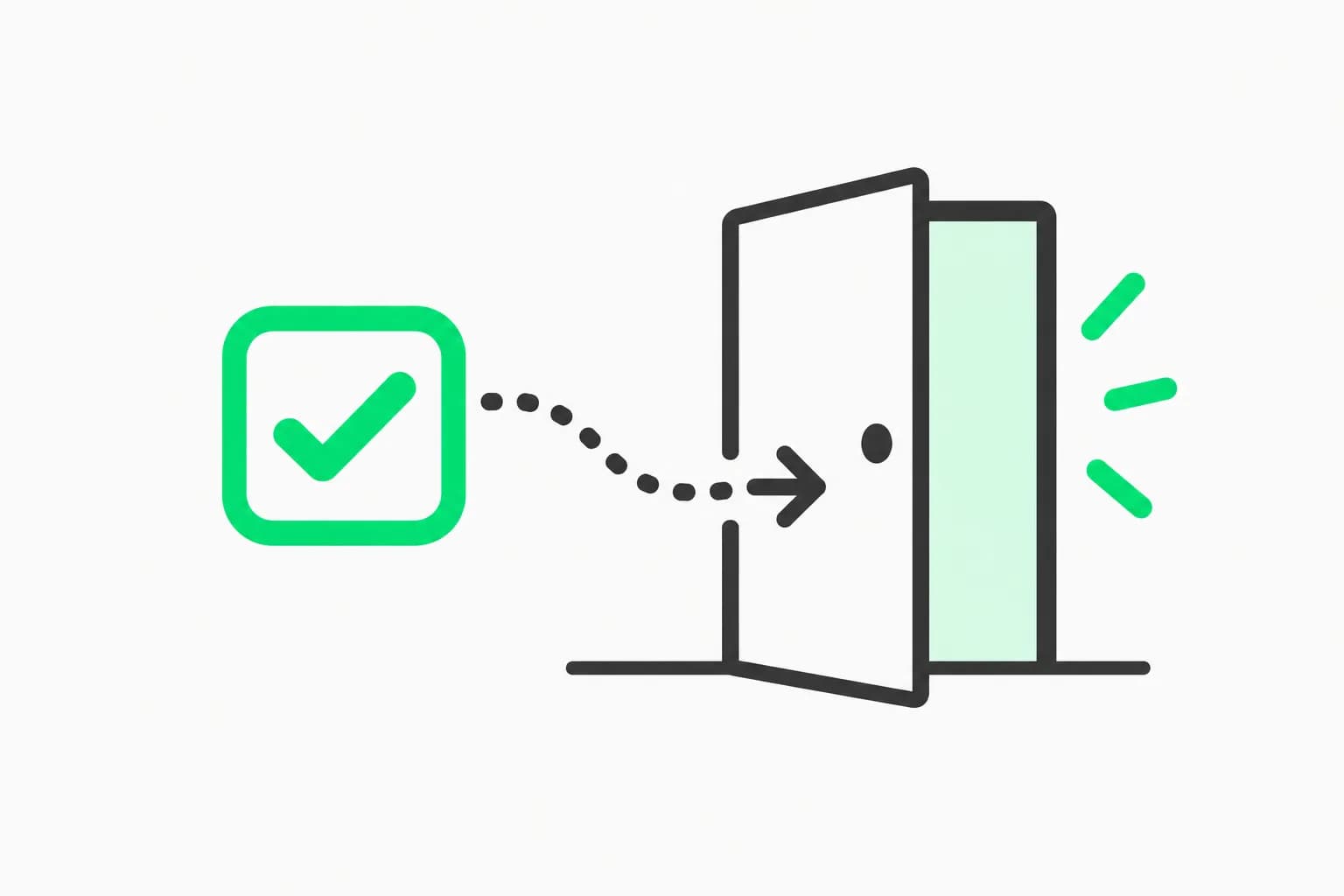
Google gives every Search Console property a single switch to disappear from AI Overviews, AI Mode, and generative Discover features, and one SEO consultancy actually flipped it off for a month to count the cost. Zyppy's November 2026 report describes a 28-day on/off experiment: AI impressions that had run 500–1,000 per day went to zero within an hour, then bounced back almost as fast when they opted in again.
For publishers and developer advocates who live on organic discovery, the experiment is a rare primary measurement of AI citation traffic, not just impressions Google now exposes in Search Console.
TL;DR
| Source | Finding |
|---|---|
| Zyppy experiment | ~10% of search impressions were AI-feature impressions before opt-out |
| Zyppy experiment | Estimated AI search CTR ~0.9% (range 0.7–1.1%) |
| Zyppy experiment | AI-driven clicks ~21% of total; halo effect adds ~2% organic CTR |
| Google Help doc | Exclusion removes links and grounding inputs from generative features only |
| Google Help doc | Does not block training; use Google-Extended for that |
What Google's control actually does
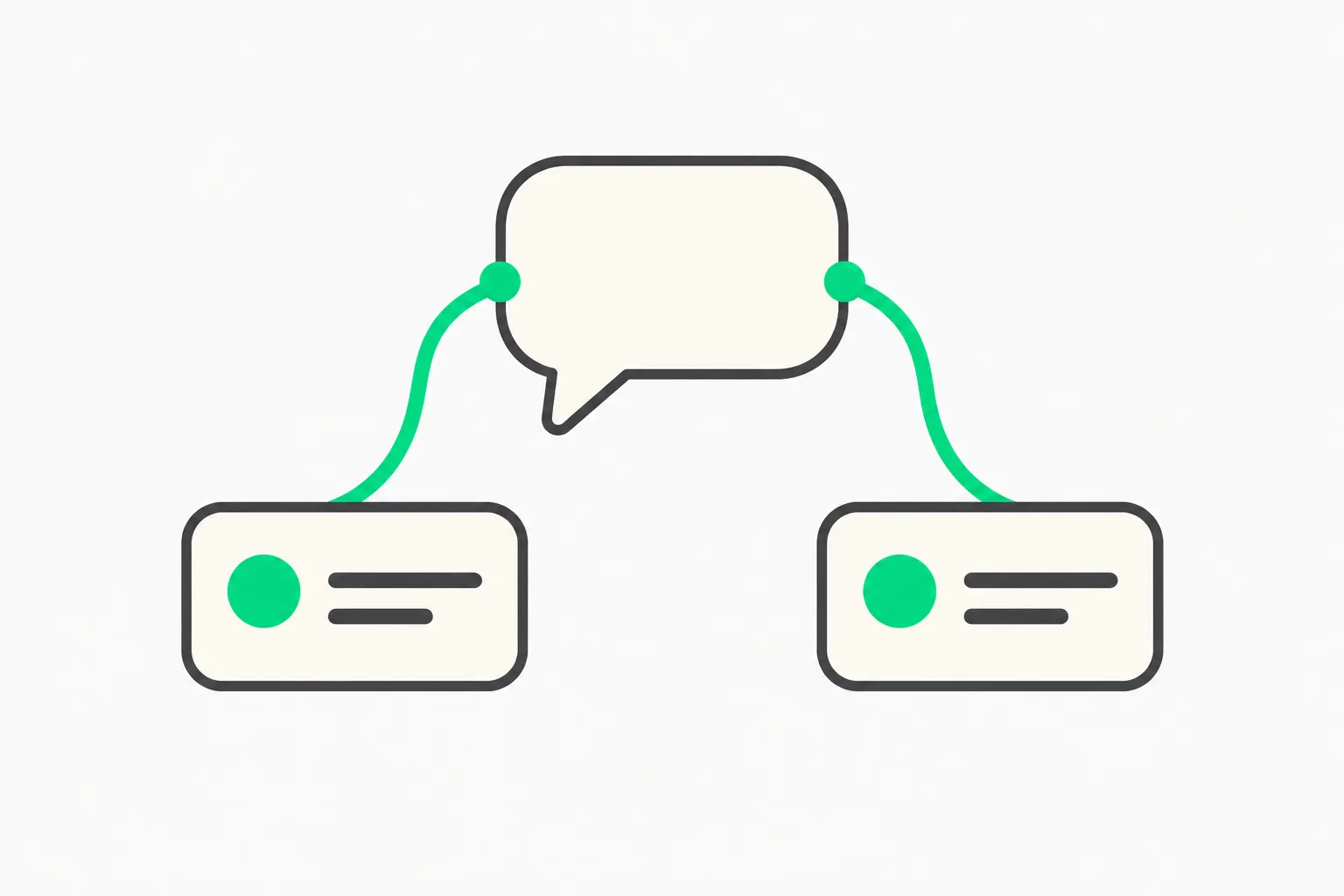 Publisher opt-out control for Google generative AI search features
Google documents the toggle in Search generative AI control. As of August 31, 2026, every property worldwide can choose:
- Include (default): content can be cited and linked in AI Overviews, AI Mode, and generative Discover.
- Exclude: your URLs never ground AI answers in those surfaces, and you receive no AI-feature impressions or clicks.
Google repeats that exclusion is not a negative ranking signal for classic results, a point also made in Google's August blog post on publisher tools.
Important distinction: exclusion does not opt you out of model training. Google's doc points builders to Google-Extended for training limits and noindex only if you want out of Search entirely.
What Zyppy tested
Methodology from the post:
- September 1, 2026: opted out globally.
- 28 days off: tracked Search Console clicks, impressions, CTR, and Google's Generative AI Features report.
- September 29, 2026: opted back in for another 28 days.
They compared total click performance between windows and cross-checked query-level shifts to reduce ranking confounds.
Visibility drop
AI-feature impressions previously ran 500–1,000 per day, roughly a tenth of all search impressions. After exclusion, the Generative AI report showed near-zero within an hour. Re-opting in restored counts quickly.
Estimated AI CTR
Google does not split AI clicks in the main performance report, so Zyppy inferred AI clicks by differencing total clicks between periods. They estimated ~0.9% CTR on AI surfaces, about double their ~0.4% site-wide organic CTR.
Halo effect on organic listings
When Zyppy appeared in AI answers, ordinary blue-link CTR on the same SERP rose roughly 2.3%, strongest on URLs with heavy AI visibility. They attribute that to brand reinforcement when users see the domain twice.
Total traffic share
Combining direct AI clicks and the halo, they attribute 23% of search clicks to Google's generative features during the AI-on window. They stress the figure is directional for one SEO-focused site that optimized for AI citations.
Screenshots and publisher anxiety
Zyppy illustrates the change with side-by-side SERPs: before opt-out, AI Mode showed three AI citation links plus a #1 organic result; after opt-out, organic #1 remained but every AI citation vanished.
That matches what regulators wanted when the UK Competition and Markets Authority pushed bundled controls globally, a thread Digiday covered while publishers waited for click-level reporting.
For AI product teams, the lesson is inverse: if your documentation site depends on Google referrals, AI citations are no longer a rounding error.
Should you opt out?
Zyppy ultimately stayed opted in because citation traffic outweighed control concerns for their business. Your calculus may differ if:
- You sell premium research and fear uncompensated grounding.
- You need strict licensing and cannot audit AI paraphrases.
- Your brand is harmed when AI summaries strip CTAs.
If you build developer tools, also watch how AI Mode answers "how to" queries that used to hit your docs. Our German court rulings on AI Overviews show European publishers are litigating liability, not just traffic.
Limits of one experiment
Zyppy disclaims generalization upfront. Sites with thin AI presence may lose almost nothing; citation-heavy publishers may lose more than 23%. Google's impression reports still outpace public click splits, so expect methodology debates.
Also remember Gemini training and Search grounding are different levers. K-12 defaults we covered in Google turning Gemini off for students affect logged-in edu users, not your corporate blog's AI Overviews status.
Practical checklist for site owners
- Open Search Console → Settings → Search generative AI and confirm current state.
- If excluding, set a calendar reminder to measure organic CTR after 14 days.
- Configure Google-Extended in robots.txt if training exclusion is the real goal.
- Keep canonical documentation on your own domain; do not rely on AI summaries as product specs.
Interrupted time-series caveats
Zyppy used a structured before-and-after window, which is stronger than anecdotal screenshots, but still vulnerable to seasonality, algorithm updates, and query mix shifts. Their post acknowledges those limits and urges readers not to treat 23% as universal.
If you replicate the experiment:
- Hold marketing campaigns steady across both windows.
- Export query-level tables, not only property aggregates.
- Compare branded vs non-branded query buckets separately; AI Overviews hit informational queries harder.
Google's own blog promised additional Search Console metrics over time. Until click-through splits land in-console, publishers will rely on inference methods like Zyppy's.
Implications for developer documentation sites
Technical blogs often rank for narrow "how to fix error X" queries where AI Overviews summarize steps without clicks. Zyppy's high AI CTR suggests citation links still matter when summaries remain incomplete.
If you maintain open-source docs:
- Keep install commands on pages with clear headings AI can quote.
- Use structured data sparingly but accurately; false summaries hurt trust.
- Monitor whether AI Mode prefers recent GitHub issues over your stable docs.
Our posts on Gemini in classrooms and personal intelligence opt-ins cover Google surfacing AI in more logged-in surfaces, separate from publisher AI Overview citations.
Training exclusion vs visibility exclusion
Teams frequently confuse the Search generative AI toggle with Google-Extended, the robots token that limits use of crawled content in generative model training. They are independent:
| Control | Affects | Does not affect |
|---|---|---|
| Search generative AI exclusion | AI Overviews, AI Mode, Discover generative surfaces | Classic blue-link rankings |
| Google-Extended disallow | Training for generative models that respect the token | Whether you appear in AI answers |
| nosnippet / max-snippet | Snippets across Search including some AI contexts | Site-wide AI exclusion bundle |
Zyppy noted opting out of AI answers does not stop training; publishers angry about uncompensated scraping still need robots policy work.
European publisher context
German courts already ruled on liability for AI summaries in some cases, summarized in our German AI Mode liability post. EU publishers may weigh opt-out differently when they plan to invoice for licensing.
None of that changes the mechanics of the Search Console button, but it changes the business case for staying included.
When exclusion might still make sense
Consider exclusion if:
- Your content is licensed and AI grounding creates contractual conflicts.
- You run a paid research product and free summaries cannibalize subscriptions.
- You need to deny competitors' models easy access while litigation plays out.
Stay included if:
- You rely on informational SEO for leads.
- Your brand benefits from halo visibility on competitive SERPs.
- You can monetize through citations, newsletters, or tools linked from AI cards.
Zyppy chose inclusion after measuring; your traffic mix may invert that decision.
Measuring without Zyppy's statistical setup
Smaller sites can still run disciplined tests:
- Annotate major content launches on a calendar shared with whoever owns Search Console.
- Watch the Generative AI Features report weekly for impression cliffs after policy changes.
- Pair Search Console with server log referrers when Google passes
utmparameters on AI citations.
You may not derive a precise AI CTR, but you can detect directional loss after exclusion within days, matching Zyppy's one-hour visibility observation.
Share baseline metrics with stakeholders before toggling exclusion so marketing and legal agree on rollback criteria if organic traffic dips more than expected.
Newsrooms with breaking coverage may temporarily exclude AI grounding during sensitive investigations, then re-include once stories publish. Document the toggle in runbooks the same way you document paywall changes.
Affiliate and comparison sites with thin wrappers suffer most when AI answers summarize tables; they should measure whether citations include outbound shopping links before deciding.
Document your opt-out decision in the same changelog you use for robots.txt updates so future teammates know why AI citations disappeared.
Re-test quarterly even if you stay opted in; Google’s generative UI changes quickly enough that last quarter’s CTR split may not hold.